
Unfilled PI
A-PI-380
Color: Brownish-Red
Tg 380°C, plasma-resistant; offers excellent electrical insulation, high mechanical strength, and good machinability. Relatively lower toughness.


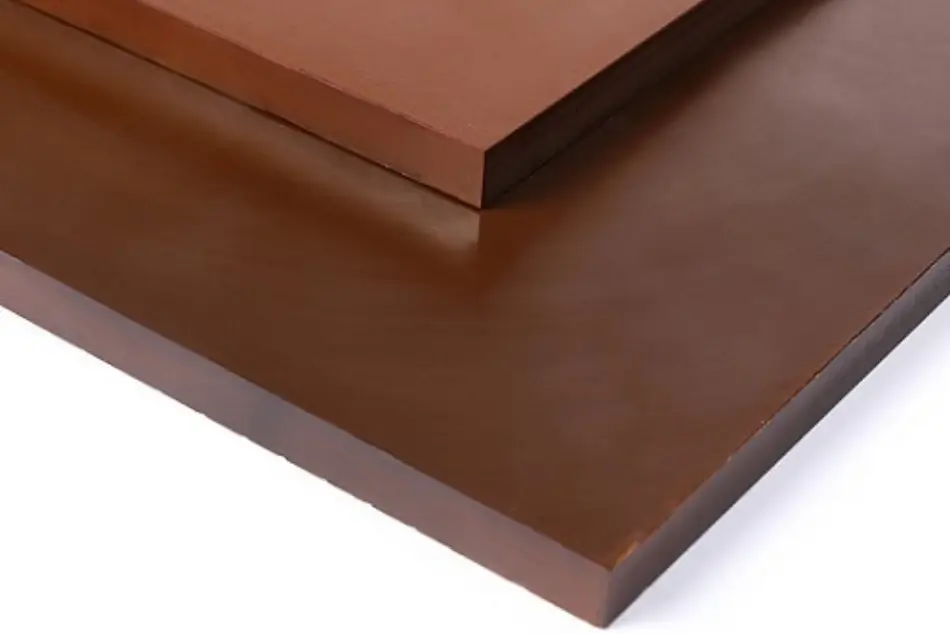
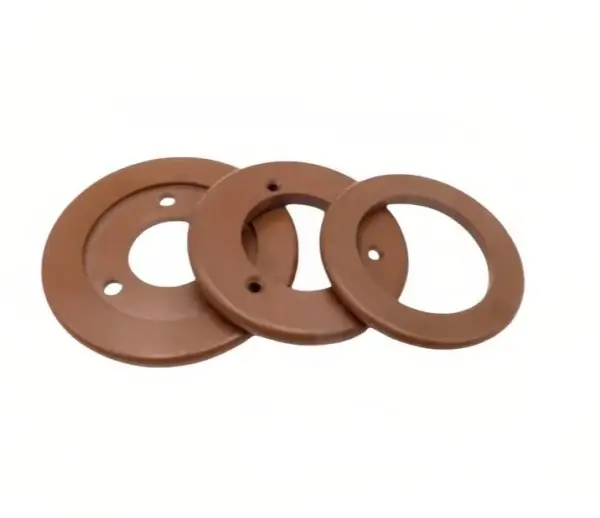
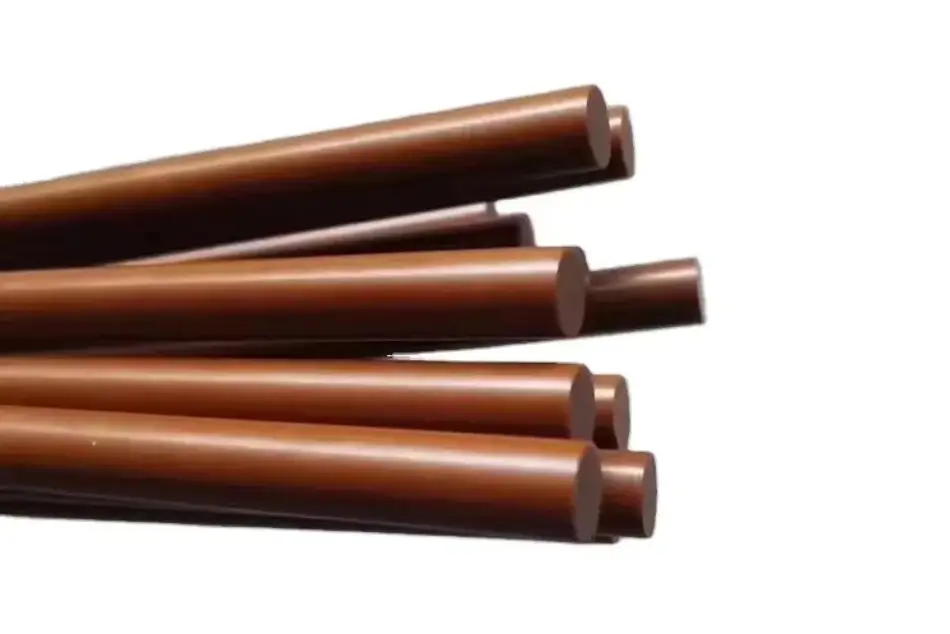
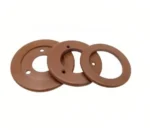
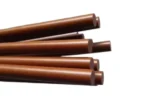
Explore our premium selection of thermoset polyimide materials—ranging from unfilled and wear-resistant to composite and functional ESD grades—precision-engineered to deliver exceptional thermal stability, mechanical strength, and reliable wear resistance in the most demanding industrial environments.
Color: Brownish-Red
Tg 380°C, plasma-resistant; offers excellent electrical insulation, high mechanical strength, and good machinability. Relatively lower toughness.
Color: Brownish-Red
Classic unfilled grade with optimal comprehensive performance. Not recommended for high-temperature plasma environments above 220°C.
Color: Brownish-Red
Features good toughness and plasma resistance. Glass transition temperature (Tg) is 330°C.
Color: Yellow
High hardness and high modulus combined with good toughness. Extremely wear-resistant with a continuous operating temperature around 350°C.
Color: Yellowish-Brown
Ultra-high temperature resistance. Continuous operating temperature reaches up to 400°C+, featuring an extremely low coefficient of thermal expansion (CTE).
Color: Dark Maroon
Rockwell hardness HRE around 85 (standard unfilled is 45-50). Exceptional wear resistance, ideal for high-temperature friction applications where particle shedding is prohibited.
Color: Dark Green
Modified with 15% graphite. Offers good toughness, superior friction and wear properties, alongside excellent machinability.
Color: Dark Green
Modified with 15% graphite. Higher temperature resistance than 350-21. Outstanding anti-friction and wear performance under extreme conditions.
Color: Black
Contains a high proportion (50%) of graphite with lower toughness. Specifically designed for extremely harsh conditions requiring self-lubrication and heat resistance.
Color: Black
Composite modification with 15% graphite and 10% PTFE. Exhibits an extremely low friction coefficient and superior wear resistance.
Color: Black
Anti-static (ESD) grade PI. Stable surface resistance between 10⁶-10⁹ Ω (customizable range) with good machinability.
Color: Black
Conductive grade PI. Resistance ranges between 10³-10⁵ Ω. Commonly used for precision components requiring electrostatic discharge or electrical conductivity.
Our materials are engineered not just as basic stock shapes, but as high-reliability solutions designed to overcome extreme engineering challenges in specialized industries.

For vacuum fixtures, wafer handling components, insulating parts and low-outgassing environments where dimensional stability and thermal resistance are critical.

For bushings, seal rings, bearing elements and dry-running friction components operating under elevated temperature and load conditions.

For coil bobbins, insulating rings, connector components and electrical assemblies requiring stable dielectric performance at high temperature.

For structural support, insulation and specialty components exposed to high heat, aggressive duty cycles or demanding dimensional requirements.