
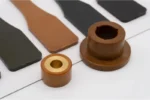
Performance Advantages of Thermoplastic PI
Discover how our Thermoplastic Polyimide (TPI) combines ultra-high temperature resistance with exceptional melt processability to solve complex engineering challenges.
Exceptional Thermal Stability
With a Tg of 250°C–350°C and a CUT of 240°C–300°C, it maintains critical properties under extreme thermal environments, serving as an ideal metal-replacement material.
Efficient Melt Processability
Overcoming traditional thermoset limits, TPI can be injection molded and extruded at 350°C–420°C, enabling high-volume, cost-effective production of complex parts.
High Strength & Wear Resistance
Boasting 120–180 MPa tensile strength and a low friction coefficient (0.1–0.3), it ensures extreme dimensional stability and long life for dynamic seals and bearings.
Chemical & Radiation Resistance
Robust resistance to organic solvents, oils, and acids. Withstands cumulative gamma radiation doses up to 1×10⁷ Gy with minimal degradation, perfect for aerospace and nuclear use.
Inherent Flame Retardancy
Inherently achieves UL 94 V-0 rating at thin gauges with LOI > 35%. Features exceptionally low smoke and toxic emissions, ensuring safety in confined aerospace cabins.
Premium Insulation & Low Loss
High dielectric strength (15–25 kV/mm) and stable low dielectric constant (3.0–3.5 @ 1MHz) minimize signal loss and leakage in high-frequency microwave electronics.
CHINA MANUFACTURER CAPABILITY
Available Forms & Custom Options
As a leading Chinese manufacturer, we provide a complete supply chain from raw TPI resins to custom machined parts. Check our full capability matrix below.
| Material Forms | Available Grade Options | Processing Options | MOQ & Lead Time |
|---|---|---|---|
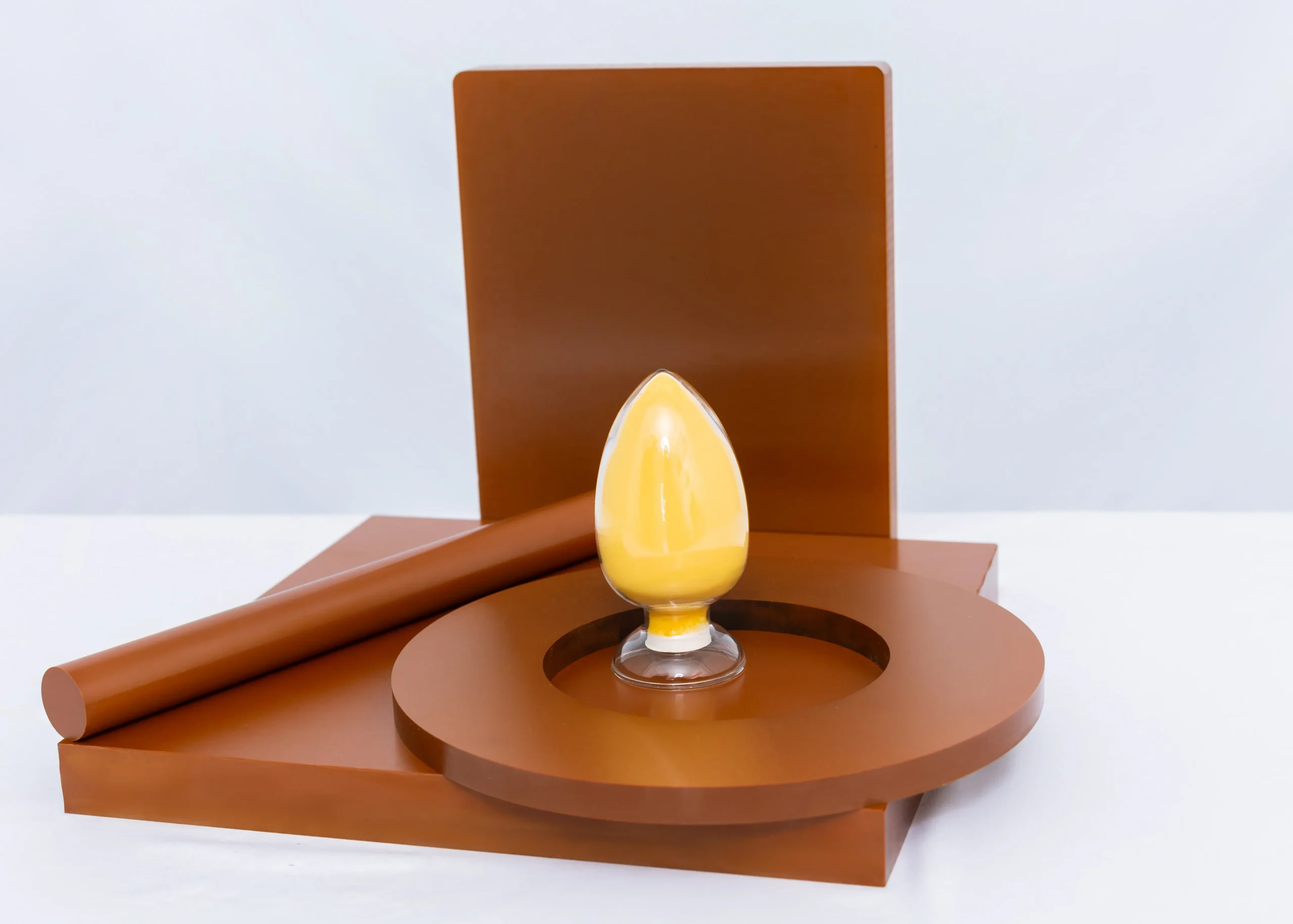
Resin / Pellets Raw materials for injection & extrusion |
|
| Flexible MOQ Fast Global Shipping |
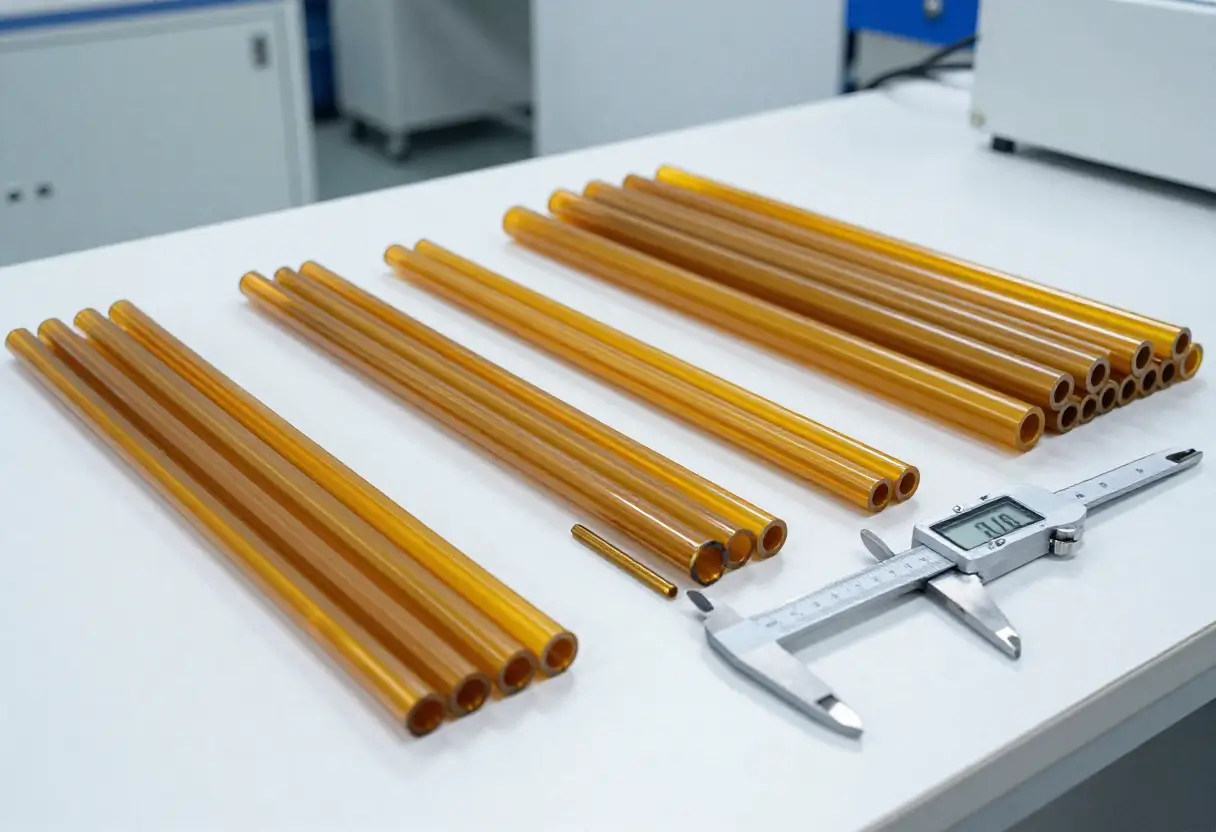
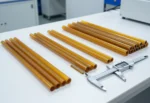
Rods, Sheets & Tubes Semi-finished stock shapes for machining |
|
| Stock Available Ships in 3-7 Days |
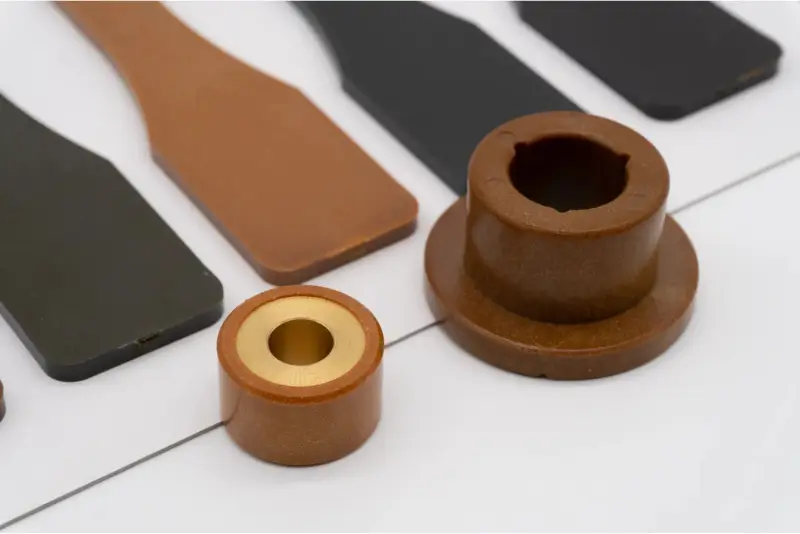
Finished / Machined Parts Near-net shapes & final components |
|
| Drawing to Part Free DFM Review |
Direct Factory Pricing
Eliminate middlemen costs. Maximize your project budget with direct source TPI materials.
Rapid Prototyping
CNC samples can be dispatched within 5-7 working days based on your STP/CAD drawings.
Global Compliance
All thermoplastic PI materials are fully RoHS, REACH, and UL94 V-0 compliant.
FEATURED MATERIALS
Featured Thermoplastic Grades for Demanding Applications
For customers seeking reliable alternatives to imported high-temperature materials, we offer selected thermoplastic grades with strong mechanical performance, stable processing behavior, and flexible supply options.
A-PI-280
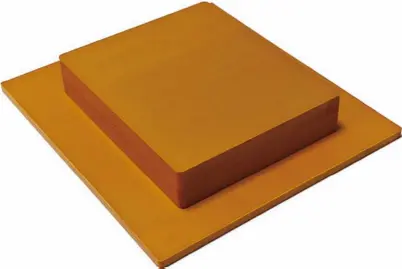
A cost-effective alternative to imported PAI 4203, offering improved heat resistance, lower moisture absorption, and strong tensile properties. Suitable for precision parts requiring reliable dimensional stability under elevated temperatures.
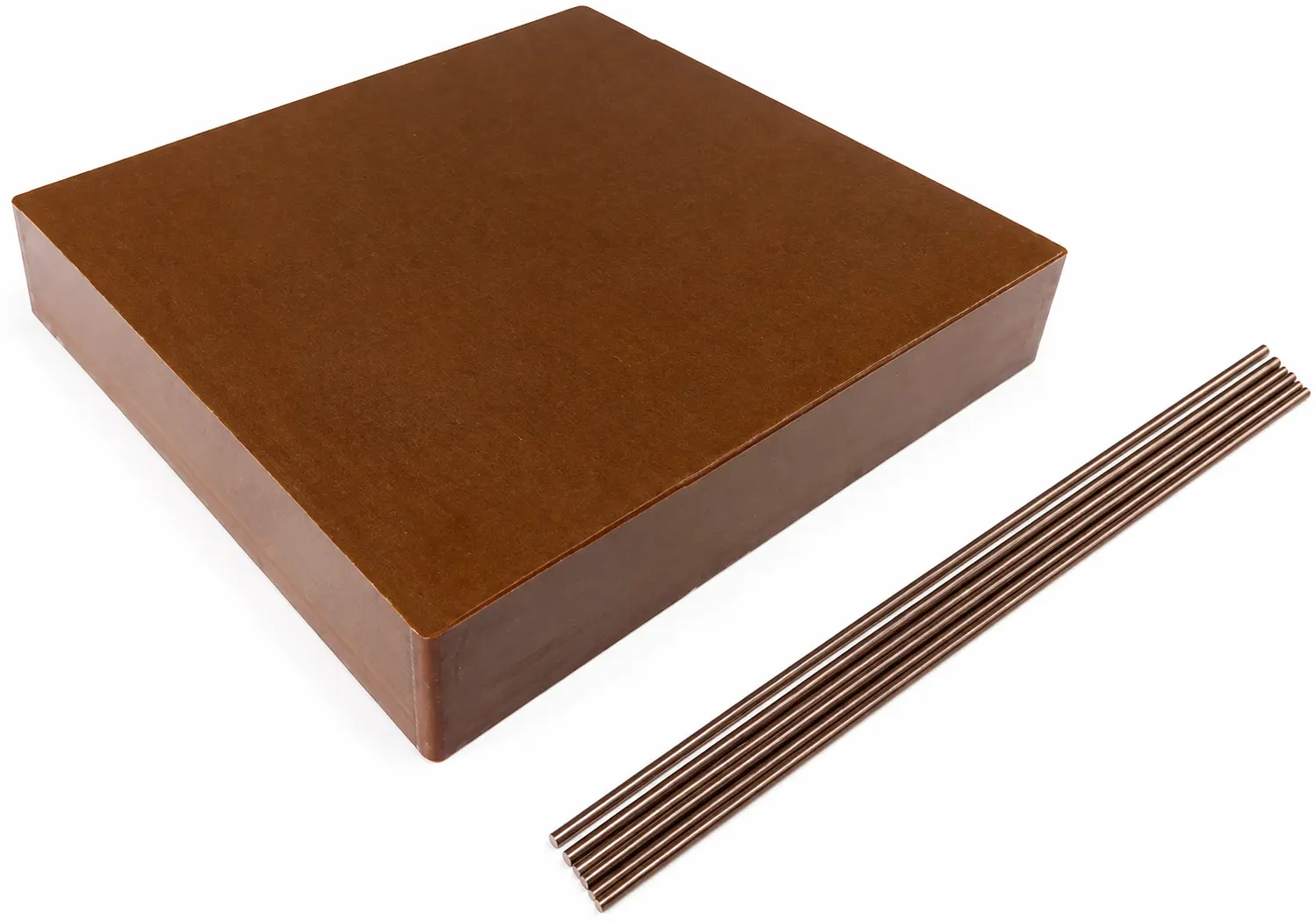
A-PI-6010-GF30
A 30% glass-fiber reinforced thermoplastic grade developed as an alternative to PAI 5030 / PAI 5530. It provides higher modulus and rigidity, with larger board sizes and flexible thickness options to support efficient manufacturing.
Application support available
If you are comparing grades for a specific part, send us your drawing or service conditions for a quick recommendation.
Request datasheet for A-PI-280 or A-PI-6010-GF30
Ask for grade recommendation
Send drawing for material selection
How Allstar Material Ensures TPI Product Quality
We integrate rigorous quality control into every step of our thermoplastic manufacturing processes, from raw material drying to final part inspection, ensuring zero defects in demanding applications.
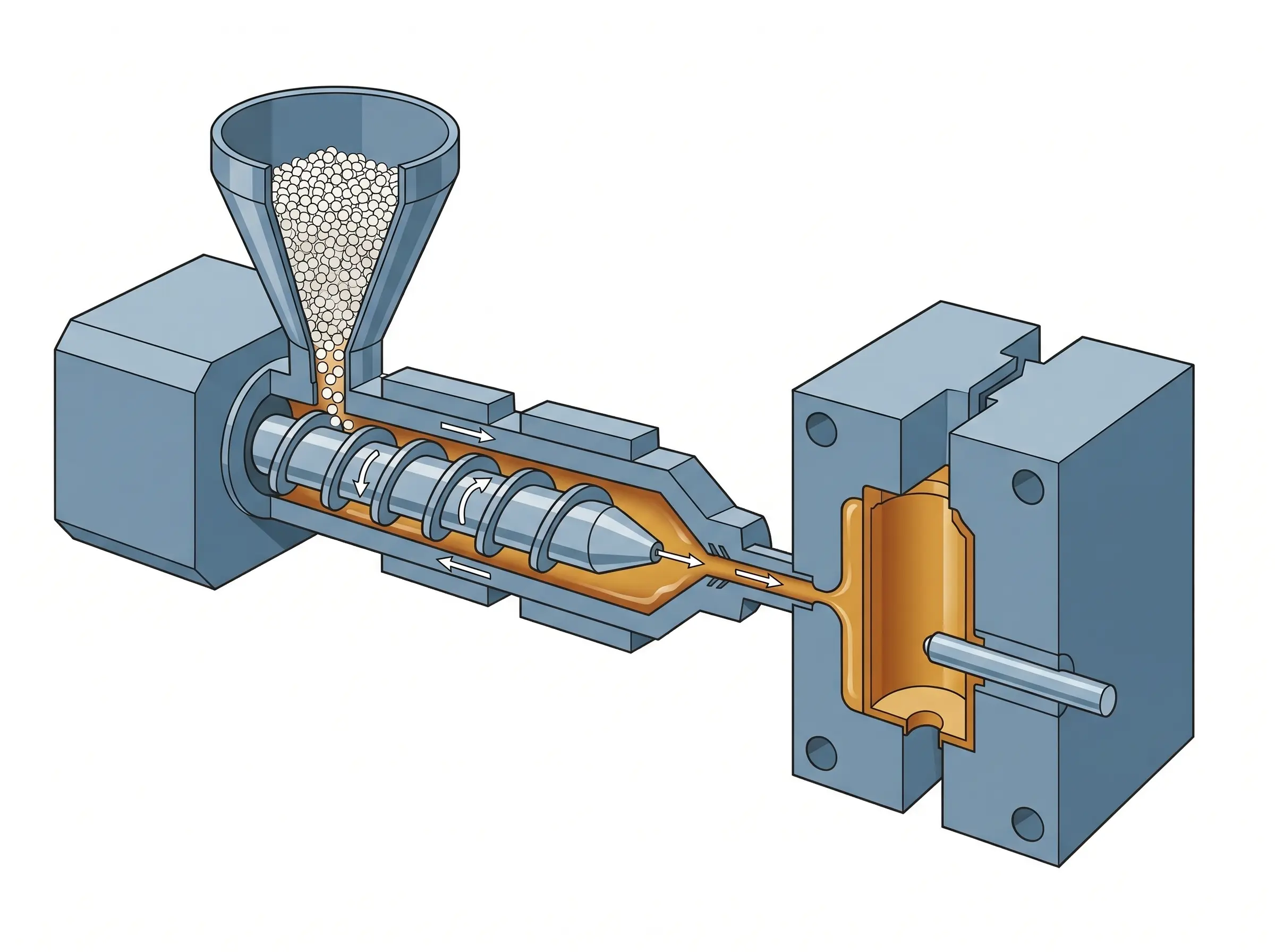
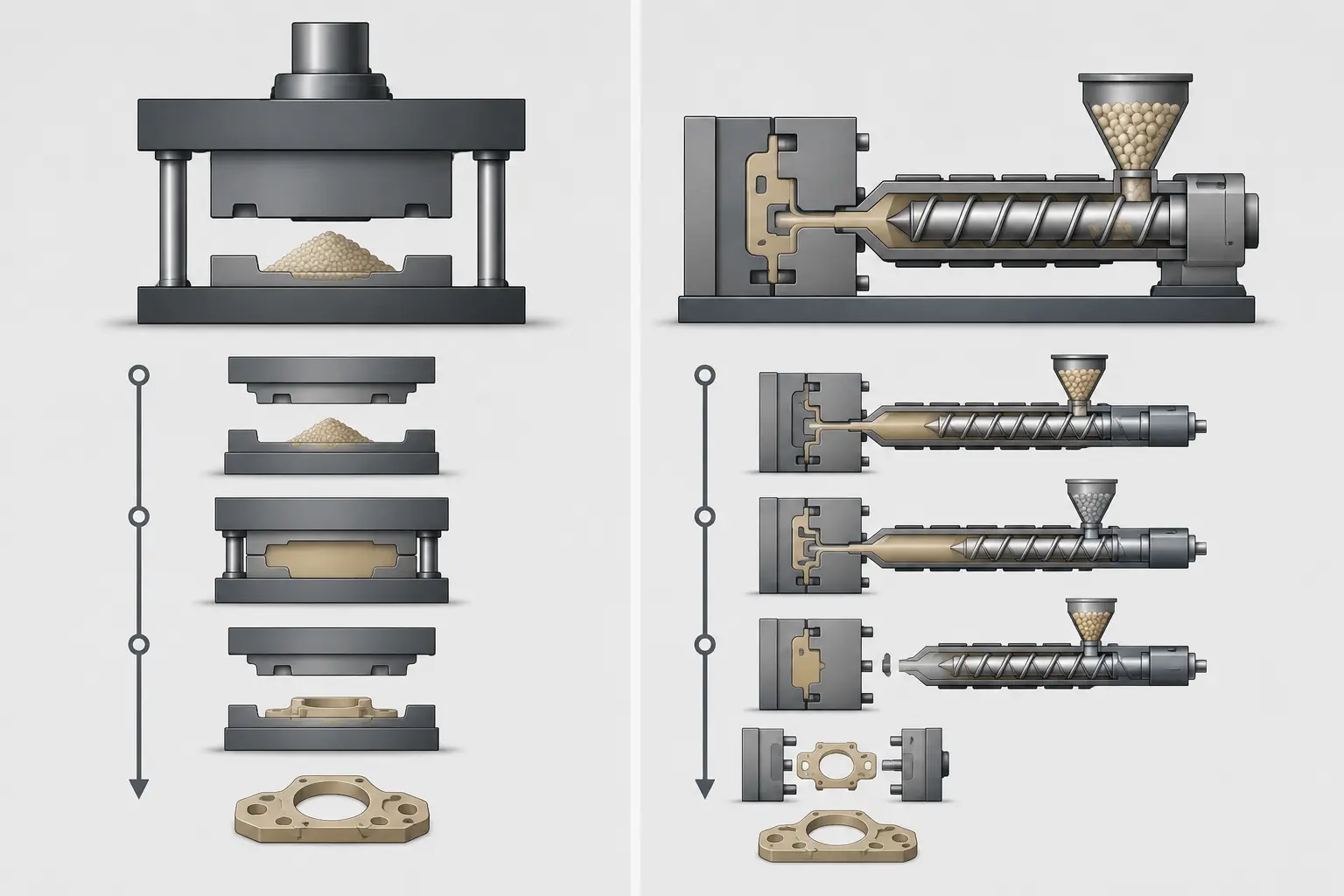
High-Precision Injection Molding
To produce complex TPI parts with exceptional dimensional stability, we implement strict thermal management protocols.- Moisture Elimination: Pre-drying pellets at 150°C–200°C for hours to prevent hydrolytic degradation.
- Melt Consistency: Precise barrel temperature control (350°C–400°C) ensures optimal flow without material breakdown.
- Stress Relief: Mold temperatures are strictly maintained at 150°C–230°C to maximize crystallinity and eliminate internal stress, followed by specialized annealing.
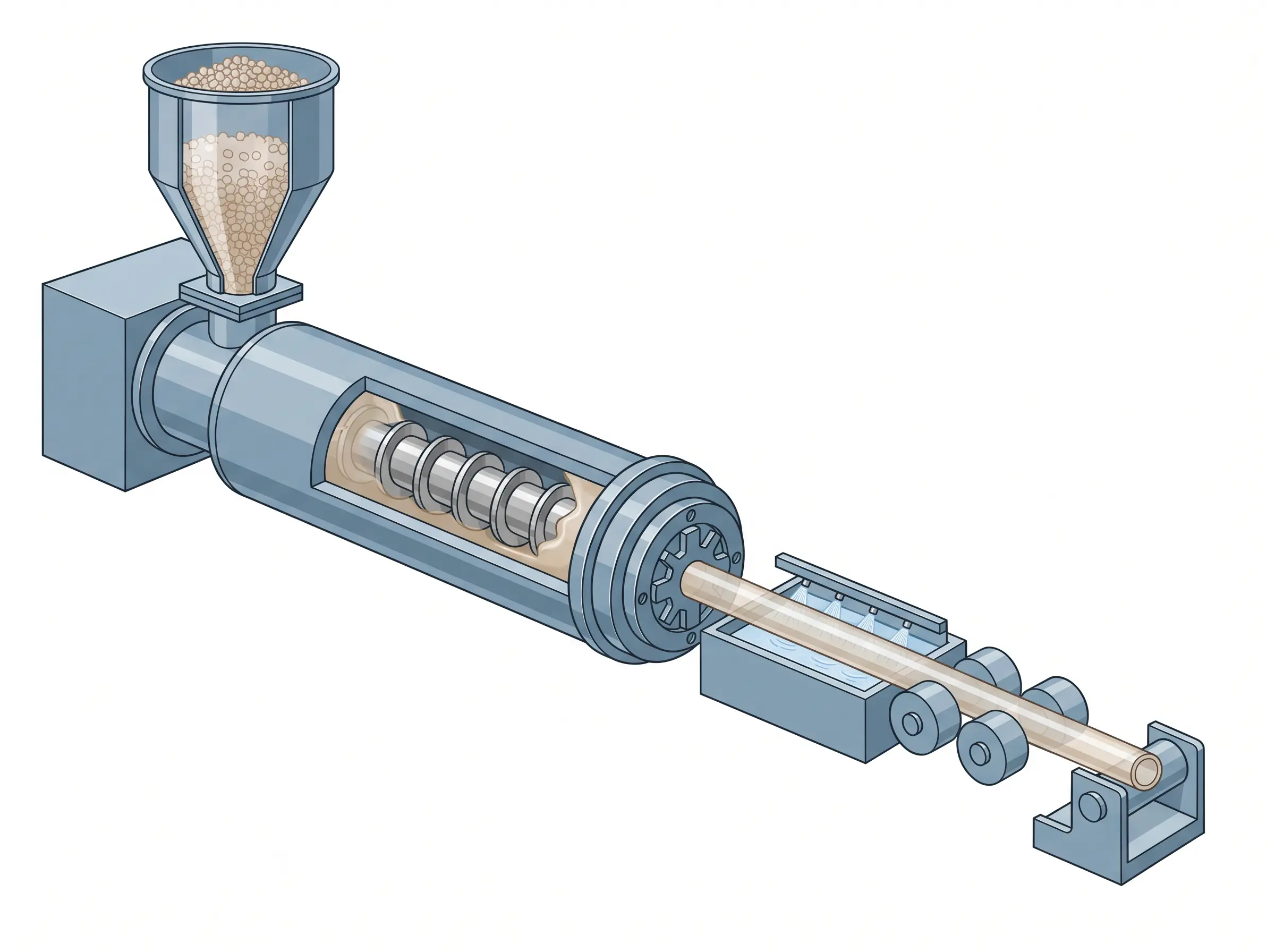
Advanced Extrusion for Stock Shapes
When manufacturing continuous lengths of TPI rods, sheets, and tubes, consistency is our top priority. We ensure every batch is void-free and ready for tight-tolerance CNC machining.- Specialized Screw Design: Tailored extruder screws accommodate TPI’s specific high melt viscosity, preventing shear degradation.
- Uniform Density: Controlled heating zones (350°C–400°C) guarantee a completely homogeneous melt.
- Dimensional Accuracy: Custom dies and highly regulated cooling speeds prevent warping and maintain stable exterior profiles.
High-Pressure Compression Molding
For thick-section parts and large block materials, our compression molding process guarantees structural integrity throughout the entire cross-section.- Porosity Elimination: Applying immense hydraulic pressure during the melting phase (360°C–400°C) compacts the TPI powder, eliminating microscopic voids.
- Controlled Thermal Cycles: Precisely calculated holding times and under-pressure cooling cycles ensure uniform solidification.
- Machinability Guarantee: The resulting large blocks exhibit uniform mechanical properties, making them perfect for producing large-scale, high-load industrial components.
Thermoplastic PI vs. Thermoset PI vs. PEEK
Not sure which high-performance polymer is right for your project? Compare the key differences in processability, thermal performance, and ideal use cases to make an informed decision.
| Material | Processability | Continuous Temp | Wear Resistance | Cost Level | Best Use Case |
|---|---|---|---|---|---|
| Thermoplastic PI (TPI) | Better melt processability | High | High | High | Molded / machined high-temp parts |
| Thermoset PI | Limited melt processing | Very high | Very high | High | Extreme heat / vacuum / precision parts |
| PEEK | Easier processing | Lower than PI family | High | Medium-high | Broad industrial components |
Need expert advice for your application?
Need help selecting between thermoplastic PI, thermoset PI and PEEK? Send your temperature, load, media exposure and drawing for a professional recommendation.
Engineered TPI Solutions for Demanding Environments
From high-speed bearings to extreme semiconductor environments, our Thermoplastic Polyimide delivers reliability where conventional plastics fail.
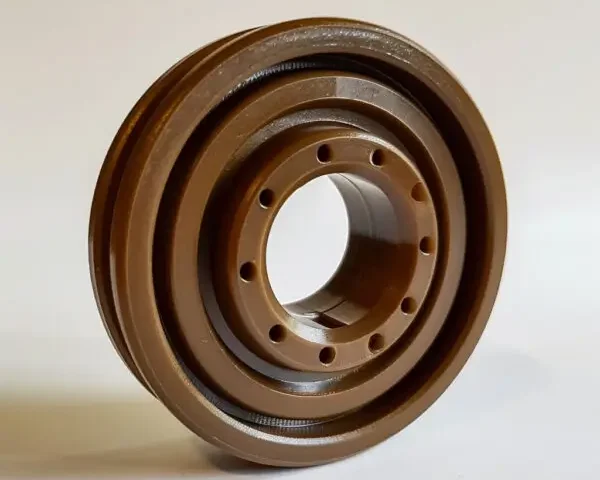
Thermoplastic Polyimide Bearings & Bushings
Used in high-speed and oil-free (dry-running) conditions where exceptionally low friction, high wear resistance, and long-term dimensional stability are strictly required.
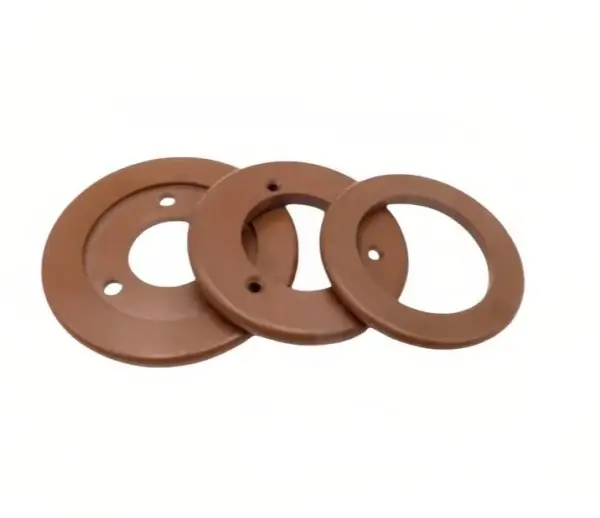
TPI Pump, Valve and Seal Components
Highly suitable for chemically aggressive and high-temperature fluid media where conventional engineering plastics (like PTFE or POM) may deform, creep, or wear quickly.
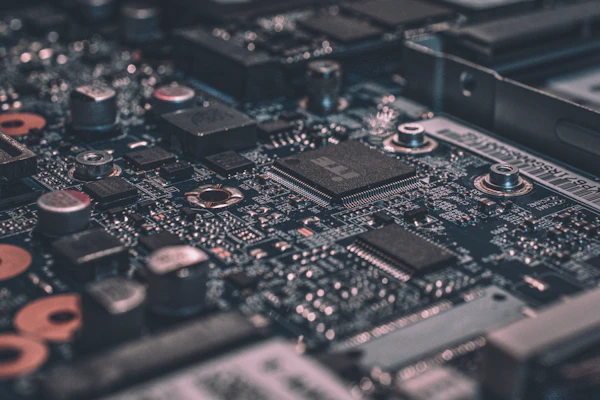
Semiconductor & Electrical Insulation Parts
Applicable to IC test sockets, wafer handling fixtures, and insulation components requiring excellent heat resistance, electrical stability, and precise micro-machining.
Aerospace & Precision Mechanical Parts
Engineered for lightweight structural components exposed to elevated temperatures, extreme friction, and demanding dimensional tolerances in flight systems.
Technical FAQs on Thermoplastic PI
Find quick answers to common engineering and material selection questions below.
1. What is thermoplastic polyimide (TPI)?
Thermoplastic polyimide (TPI) is an advanced high-performance engineering polymer that combines the exceptional thermal and chemical resistance of traditional polyimides with the melt-processability of thermoplastics. Unlike standard thermoset PI, TPI can be melted and reformed, allowing for efficient, high-volume production methods like injection molding and extrusion. It offers an outstanding balance of mechanical strength, low wear, and dimensional stability even in harsh environments. As a leading China manufacturer, we provide premium raw TPI resins and precision-machined custom components tailored to your most demanding industrial applications.
2. What is the difference between thermoplastic PI and thermoset PI?
The primary difference lies in their molecular structure and processability. Thermoset PI forms an irreversible cross-linked network when cured, meaning it cannot be remelted. This gives it slightly higher maximum temperature resistance but limits manufacturing to slower methods like compression molding or machining. Thermoplastic PI (TPI), however, can be melted and reshaped multiple times without degrading. This key difference allows TPI to be injection-molded for complex, high-volume parts, offering a much more cost-effective and scalable manufacturing solution while still maintaining excellent high-temperature performance.
3. Is thermoplastic PI suitable for injection molding?
Yes, one of the defining advantages of thermoplastic PI is its excellent suitability for standard injection molding. It is typically processed at melt temperatures between 350°C and 420°C. This capability allows engineers to design complex, near-net-shape geometries that would be difficult or too expensive to achieve with traditional machining. Injection-molded TPI parts exhibit high dimensional accuracy, uniform mechanical properties, and low internal stress. Our factory is equipped with specialized high-temperature injection molding machines to deliver precision TPI components in high volumes.
4. What temperature can thermoplastic PI withstand continuously?
Thermoplastic PI offers exceptional thermal stability. It features a high glass transition temperature (Tg) ranging from 250°C to 350°C. For long-term performance, TPI can withstand continuous use temperatures (CUT) between 240°C and 300°C, depending on the specific grade and fillers used. Even at these elevated temperatures, it retains its critical mechanical strength, dimensional stability, and electrical insulation properties. If your application involves extreme heat, our engineering team can help select the optimal TPI grade to ensure long-lasting reliability.
5. How does thermoplastic PI compare with PEEK in high-temperature applications?
While both are top-tier high-performance polymers, thermoplastic PI generally outperforms PEEK in extreme high-temperature scenarios. PEEK has a continuous use temperature of around 250°C and a Tg of 143°C, where its mechanical stiffness begins to drop significantly. TPI, with a Tg often exceeding 250°C and reaching up to 350°C, maintains its rigidity, creep resistance, and load-bearing capacity at temperatures where PEEK would soften. If your project exceeds PEEK’s thermal limits or requires superior wear resistance under high loads (high PV limits), TPI is the recommended upgrade.
6. Can you machine custom thermoplastic PI parts from drawings?
Absolutely. As a comprehensive manufacturer, we offer end-to-end CNC machining services for custom thermoplastic PI parts. Whether you need prototypes or low-volume production runs, our advanced multi-axis CNC routers can achieve extremely tight tolerances on TPI stock shapes (rods, sheets, and tubes). Simply send us your CAD drawings (STP, STEP, or IGES formats preferred), and our engineering team will provide a fast, free Design for Manufacturability (DFM) review and a competitive quote within 24 hours.
7. What fillers or modified grades are available?
We offer a versatile range of modified TPI grades to solve specific engineering challenges. Our unfilled (pure) TPI provides maximum ductility, toughness, and premium electrical insulation. For enhanced structural stiffness and strength, we supply Glass-Fiber (GF) and Carbon-Fiber (CF) reinforced grades. For dynamic wear applications like high-speed bearings and seals, our self-lubricating grades compounded with PTFE and Graphite offer exceptionally low friction coefficients and high PV limits. We also support custom OEM compounding to match your exact project specifications.
8. Do you provide datasheets, samples or material selection support?
Yes, we provide comprehensive technical support to ensure you choose the right material with confidence. Detailed Technical Data Sheets (TDS), Material Safety Data Sheets (MSDS), and compliance certifications (such as RoHS and REACH) are available upon request. We also offer material samples (resins or stock shapes) for your internal testing and prototyping. Our experienced polymer engineers are ready to assist with material selection, evaluating TPI against other plastics based on your specific operating temperature and mechanical loads. Contact us today for engineering support.
YOUR RELIABLE CHINA PARTNER
Exporting Engineering Excellence Since 2018
Specializing in advanced thermoplastic PI, PEEK, and high-performance polymers, Dalian Allstar Material Co., Ltd. has established a robust, integrated supply chain. We don’t just sell materials; we deliver reliable engineered solutions for extreme environments.
- End-to-End Capability
From raw resins & stock shapes to custom CNC precision parts. - Agile Global Trade
Fast DFM review, flexible MOQ, and worldwide shipping.
Connect with Our Engineering Team
Send your drawings, operating environments, or material inquiries. We typically reply within 12 hours.