PEEK Capillary Tubing – China Manufacturer Supplier

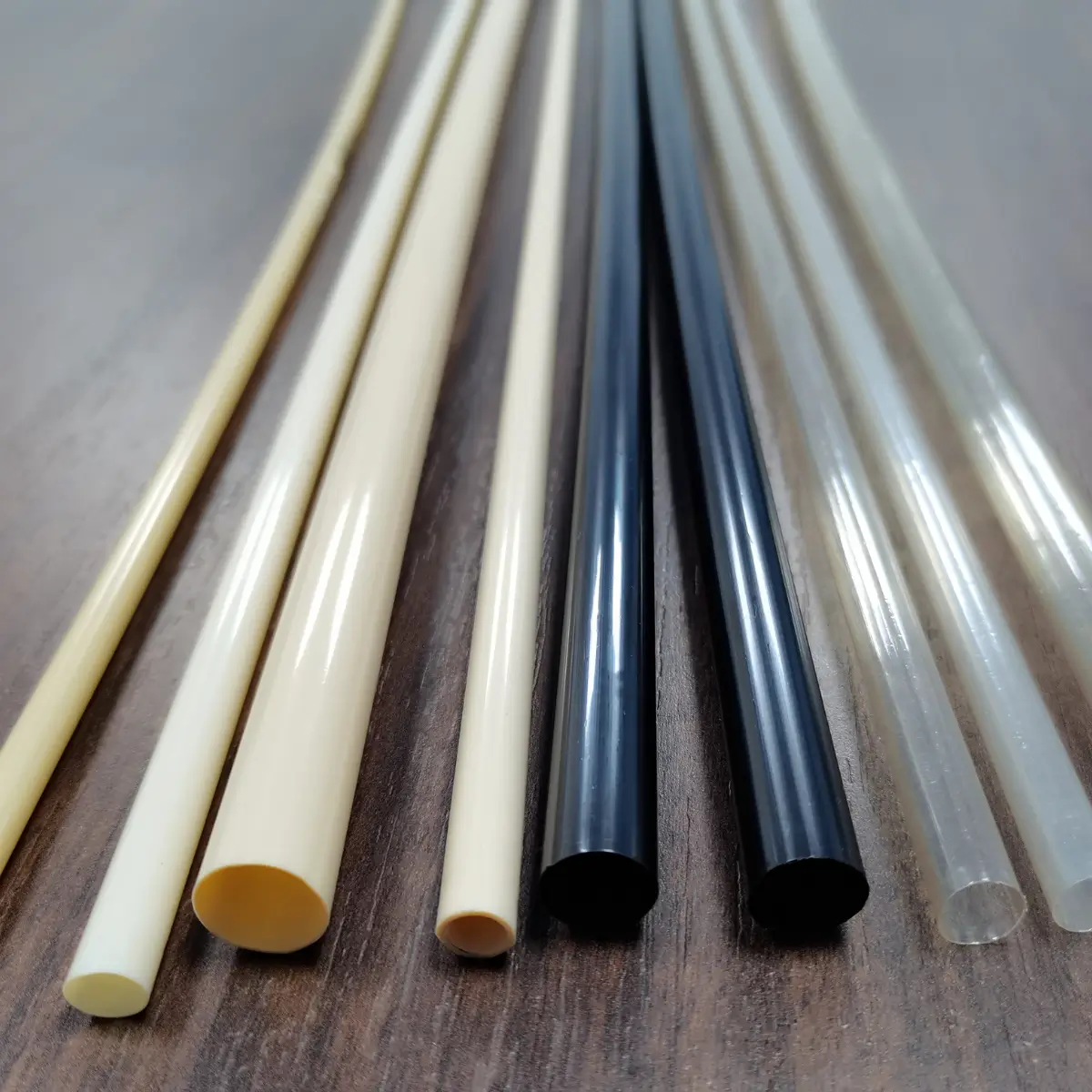
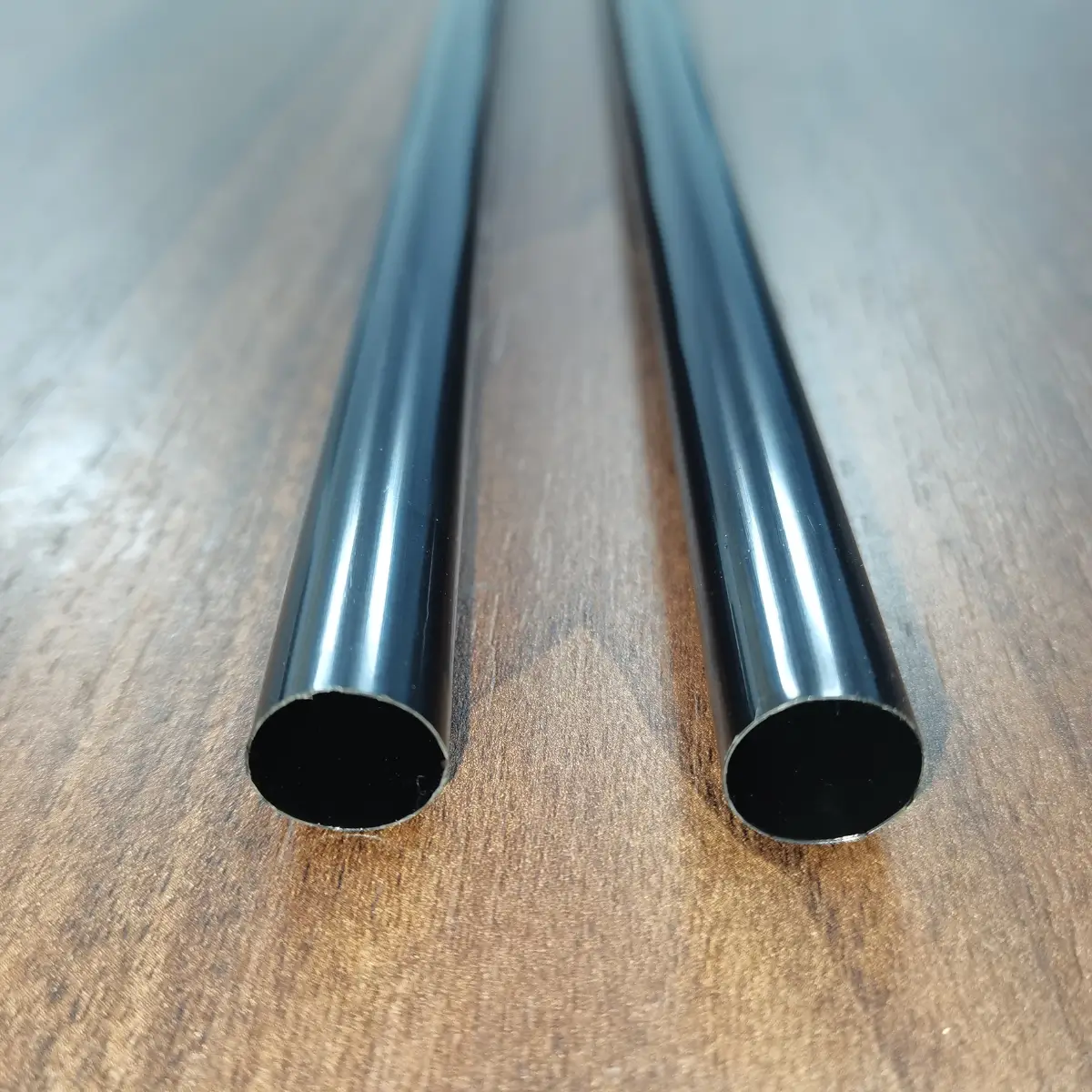
PEEK Capillary Tubing is an ultra-fine tube extruded from Polyether Ether Ketone (PEEK) material, with a small inner diameter (typically ranging from 0.1mm to several millimeters) and high dimensional accuracy.

Features of PEEK Capillary Tubing:

  • High Temperature Resistance
  • Chemical Inertness
  • Stable Mechanical Properties
  • Excellent Electrical Insulation
  • High Precision in Manufacturing
  • Low Adsorption

PEEK Capillary Tubing Grades Available from Allstar Material:

  • Pure PEEK
  • CF30 PEEK
  • GF30 PEEK

Contact Us

Advantages and Disadvantages of PEEK Capillary Tubing

High Temperature Resistance

PEEK capillary tubing can be used continuously at around 260°C, and withstands short-term exposure to temperatures as high as 300°C.
Ideal for high-temperature analysis or equipment environments.

Chemical Inertness

PEEK has excellent corrosion resistance against strong acids, strong bases, organic solvents, and oxidizing agents.
It remains stable in chromatographic analysis and chemical transport, and is not easily dissolved or damaged by solvents.

Stable Mechanical Properties

High strength and toughness, with good pressure resistance, even in small-diameter capillary tubes.
It also maintains good dimensional stability, with high length and inner diameter accuracy.

High Precision Manufacturing

Can be produced with very small inner diameters (micron-level), and uniform wall thickness.
The smooth inner surface minimizes fluid resistance.

High Processing and Welding Requirements

The precision capillary tube end-port handling and connections require specialized equipment, otherwise, leaks or damage may occur.

Limited Resistance to Strong Oxidizing Agents

While PEEK is resistant to most chemicals, it may be damaged by strong oxidizing agents like concentrated nitric acid or concentrated sulfuric acid.

High Price

PEEK material is more expensive than PTFE (Polytetrafluoroethylene) or nylon tubing.

Limited Flexibility

Compared to silicone or PTFE tubing, PEEK tubing is more likely to crack under excessive bending or very small diameters.

Excellent Electrical Insulation

Ideal for applications requiring electrical insulation, such as electronics and sensors.

Low Adsorption

Smooth inner walls reduce the risk of sample or solution adsorption, ensuring accurate analysis results.

PEEK Capillary Tubing stock sizes


Inner Diameter (ID) mmOuter Diameter (OD) mm / inchWall Thickness (Approx.) mmRemarks (Common Usage / Application)
0.10 ~0.130.25 (≈1/32″)0.075Can be produced; commonly used in ultra-micro fluid analysis / microfluidic systems
0.1750.30 (≈1/32″)0.06One of the common specifications (Chromatographic connections)
0.250.51 (≈1/32–1/16″)0.13Commonly used (VICI Precision Sampling)
0.51.02 (≈1/16″)0.26Very common, used in internal connections for HPLC systems (VICI Precision Sampling)
0.751.62 (≈1/16″ OD)0.44Common for higher flow rates or wider tubing (Cytiva)
11.62 (≈1/16″)0.31Relatively common (Analytical Sales and Services, Inc.)
1.55–2.01.8–2.0 mm0.2–0.25Can be produced, used for special instruments or industrial fluid systems (IDEX Health & Science)
2.0–3.03.0–3.2 mm0.5–0.6Larger sizes, used for semi-preparative / industrial applications (Biotech Fluidics)
3.0–4.03.5–4.0 mm0.5–0.75Less common, but can be produced
4.0–5.04.5–5.0 mmSimilar proportionsUsed for higher flow rate / industrial fluid transport
5.0–7.96.0–8.2 mmThicker walls (1–1.5 mm or larger depending on specifics)Less commonly produced / custom-made; higher cost and processing difficulty