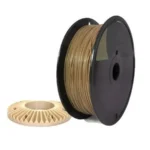
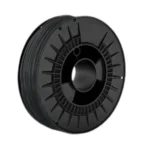
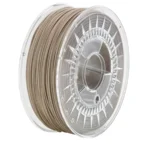
PEEK Filament Manufacturer for Industrial 3D Printing

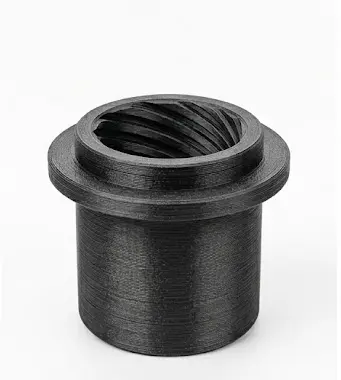
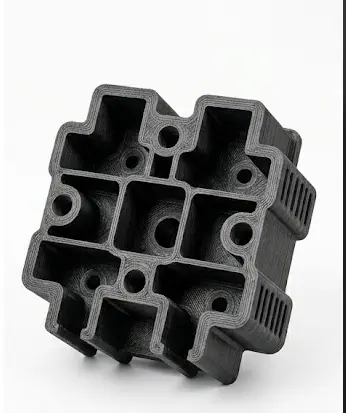
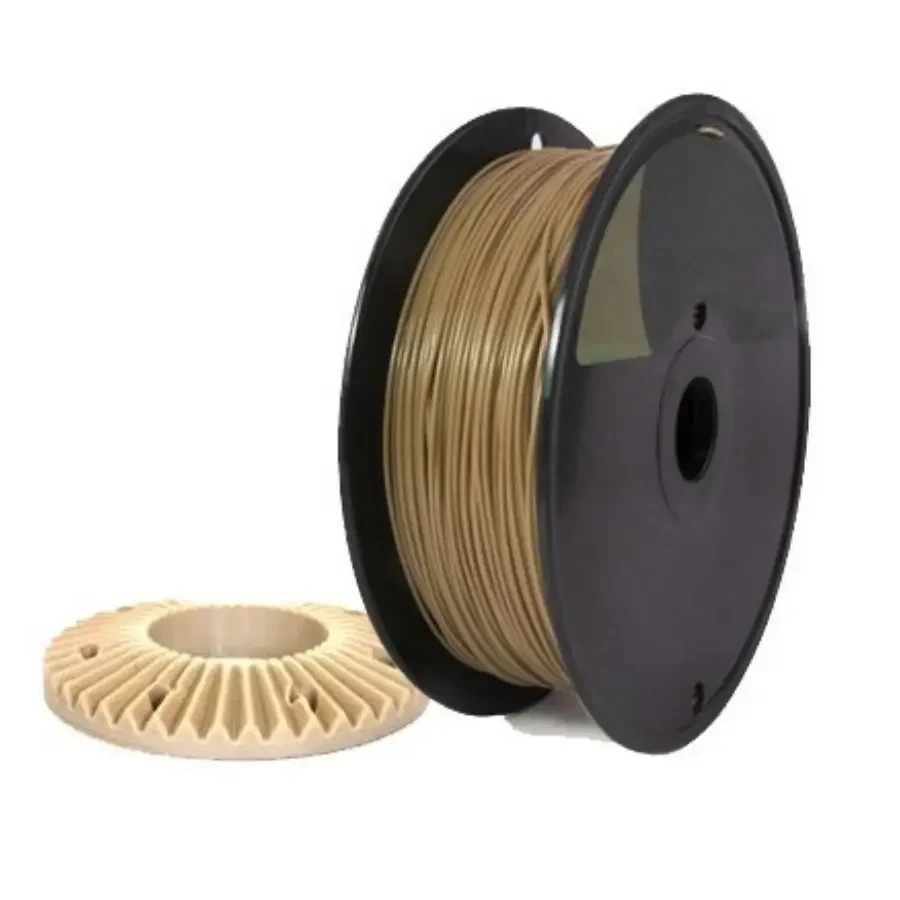
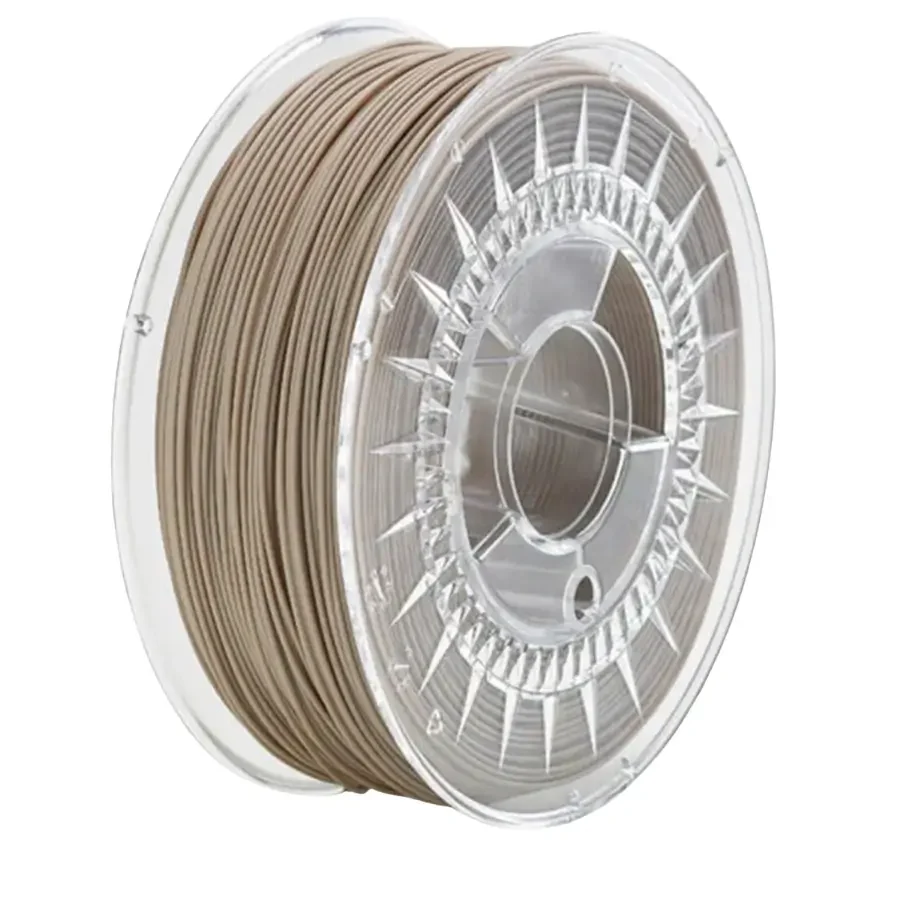
PEEK filaments are PEEK materials designed specifically for 3D printing. They are high-performance thermoplastic filaments that are extruded layer by layer under high temperatures using specialized 3D printers, eventually building complex PEEK parts.

Features of PEEK Filaments:

  • Machinability and Printability
  • High Temperature Resistance
  • Excellent Mechanical Properties
  • Chemical Corrosion Resistance


  •  Low Friction Coefficient and Wear Resistance
  • Dimensional Stability and Anti-creep Properties
  • Biocompatibility
  • Electrical Insulation

Allstar Material Offers the Following Grades of PEEK Filaments:

Pure PEEK
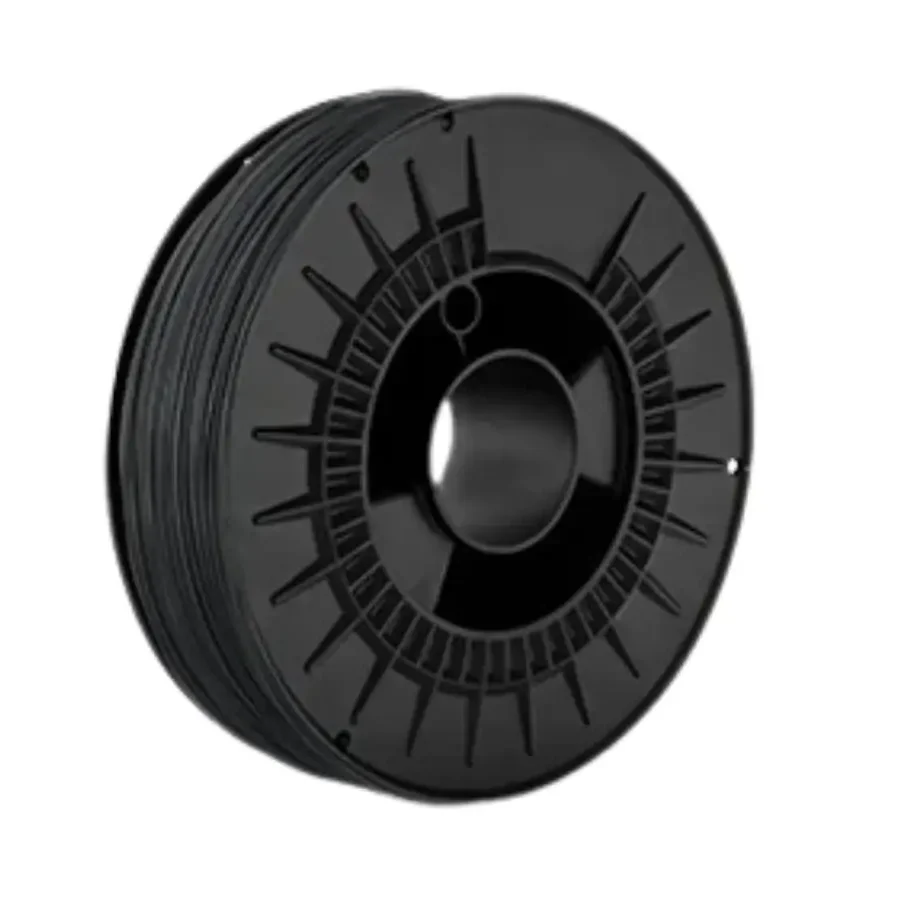
CF30 PEEK

Contact Us

Why Use PEEK Filament for Industrial 3D Printing

From complex part design to low-volume production, 3D printing offers a faster
and more efficient way to manufacture high-performance components. It reduces
lead time, supports customization, and unlocks geometries that traditional
processes cannot easily deliver.

72h

Prototype Turnaround

Functional prototypes can often be produced within days, helping teams move from design to testing much faster.

3→1

Part Consolidation

Multiple components can be integrated into one printed part, reducing assembly time and improving reliability.

0

Tooling Cost

Ideal for low-volume and customized production without the cost and delay of mold development.

50%+

Less Material Waste

Material is added only where needed, helping reduce waste compared with subtractive manufacturing.

Design Freedom

Create internal channels, lattice structures, and advanced surfaces beyond the limits of traditional processes.

Disadvantages of PEEK Filaments

To help customers use high-performance materials more effectively, we provide practical guidance for processing, equipment selection, and application planning — making it easier to reduce risk and improve print success.

High Material Cost

Recommended for high-value parts where weight reduction, heat resistance, and long-term mechanical performance deliver greater overall value.

Moisture Sensitivity Before Printing

Drying guidance is available to help control moisture absorption, improve extrusion stability, and maintain consistent surface quality.

Demanding Print Environment

Printer compatibility recommendations and processing support help customers select suitable machines and build a more reliable printing setup.

Not Ideal for Mass Production

Better suited for prototyping, product validation, and low-volume manufacturing of complex parts where flexibility and performance matter more than scale.

CONTACT US

Ready to Discuss Your Project?

Contact us for material selection, printing support, or project evaluation. You can email our team directly or send your drawings for review.

T1@peeksources.com

Allstar Material Offers the Following Specifications of PEEK Filaments

Diameter (mm) Theoretical weight per meter (g/m)* Diameter (mm) Theoretical weight per meter (g/m)*
0.3 ~0.09 1.7 ~2.97
0.4 ~0.16 1.75 ~3.15
0.5 ~0.26 1.8 ~3.33
0.6 ~0.37 1.9 ~3.71
0.7 ~0.50 2 ~4.12
0.8 ~0.66 2.1 ~4.53
0.9 ~0.83 2.2 ~4.97
1 ~1.03 2.3 ~5.43
1.1 ~1.24 2.4 ~5.91
1.2 ~1.48 2.5 ~6.43
1.3 ~1.74 2.6 ~6.97
1.4 ~2.02 2.7 ~7.53
1.5 ~2.31 2.8 ~8.10
1.6 ~2.63 2.85 ~8.36
2.9 ~8.68
3 ~9.26
Our Honest Diameter Recommendations:
  • 1.75mm (Our Top Pick)
    • Works with 95% of industrial 3D printers
    • Easier temperature control than 3mm
    • Best balance of flow rate and precision
    • What we use for all our testing
  • 2.85mm/3mm (For High-Volume Applications)
    • Better for large parts (faster printing)
    • Requires more powerful heating systems
    • Some printers struggle with consistent feeding
  • Specialty Diameters (0.3mm – 1.6mm)
    • Available on request, but honestly, we don’t recommend them unless you have a very specific application. The smaller diameters are prone to breaking, and larger ones (above 3mm) are hard to heat consistently.
Weight Per Meter Reality Check
Those theoretical weights in our spec sheet? They’re based on perfect density assumptions. Real-world filament density varies by ±2% due to crystallinity differences.
Planning tip: Order 10% more than your calculations suggest. Running out of PEEK filament mid-print is expensive.

PEEK Filment Material Properties & Processing Parameters

Material Data
Mechanical
Processing
Supply Info
Material Options
Grade Pure PEEK / CF30 PEEK / GF30 PEEK
Diameter 1.75 mm / 2.85 mm
Diameter Tolerance ±0.05 mm (1.75 mm) / ±0.10 mm (2.85 mm)
Color Options Natural / Black / Custom on request
Mechanical Properties
Density Pure PEEK: 1.26 g/cm³ / Reinforced grades: grade-specific
Tensile Strength Pure PEEK: 105 MPa / Reinforced grades: higher, on request
Tensile Modulus Pure PEEK: 4.1 GPa / Carbon-reinforced reference: up to 7.8 GPa
Flexural Strength Typical unfilled PEEK reference: 128 MPa / Final grade-specific value on request
HDT / Continuous Service Temperature HDT reference: 170°C / Reinforced reference HDT: up to 280°C / Continuous service: up to 250–260°C
Melt Temperature Approx. 343°C typical for PEEK family
Recommended Print Settings
Recommended Nozzle Temperature Pure PEEK: 370–420°C / Carbon-reinforced reference: 400–450°C
Bed Temperature 110–120°C+
Chamber Temperature Heated chamber recommended / Final setup depends on printer configuration
Drying Temperature / Time 120°C for 2–4 h (Pure) / 120°C for 4–8 h (reinforced reference)
Commercial Details
Spool Weight On request
Packaging Vacuum sealed + spool packaging
MOQ On request
Lead Time On request

Values shown are based on publicly available supplier data and typical PEEK processing references. Final numbers can vary by exact grade, printer setup, and project requirements.

Choosing the Right PEEK Rilment Grade

GRADE COMPARISON

Different PEEK grades are designed for different performance priorities.
Compare the core advantages of Pure PEEK, CF30 PEEK, and GF30 PEEK to find the best fit for your application.

 
Pure PEEK Filment
  • Best For
    General high-temp parts
  • Key Benefit
    Balanced chemical and thermal resistance
  • Typical Application
    Electronics, medical, and precision parts
 
GF30 PEEK Filment
  • Best For
    Dimensional stability
  • Key Benefit
    Lower warpage and better rigidity
  • Typical Application
    Industrial housings and tooling

What You Need to 3D Print PEEK Successfully

PRINTING SETUP

PEEK is not a standard desktop FDM material. It requires a high-temperature printing environment, proper drying, and controlled storage to achieve stable extrusion, lower warpage, and better layer bonding.

Nozzle Temperature

Recommended range: 370–420°C

Higher-performance systems may support wider high-temp windows depending on grade and setup.

Heated Bed

Recommended: 120°C+

A stable heated bed helps improve first-layer adhesion and reduce edge lift.

Heated Chamber

Industrial enclosed system recommended

PEEK performs best in a controlled thermal environment. Chamber references commonly range from 70–150°C.

Drying Recommendation

120°C for 2–4 hours before printing

Drying helps reduce moisture-related defects and improves extrusion consistency.

Compatible Printer Type

Industrial high-temperature FDM / FFF printers

Not recommended for standard desktop FDM printers. Suitable systems should support high-temp hotends, heated beds, and enclosed chambers.

Storage Condition

Store in a cool, dry, dark place

Keep filament sealed in a bag or dry storage when not in use to minimize moisture uptake.

Printing Challenges & Solutions

PEEK offers excellent thermal and mechanical performance, but successful printing depends on process control. The following points help customers understand common risks and how to address them.

Warping & Edge Lift

Use a heated bed, controlled chamber temperature, and a suitable build surface such as PEI or glass with high-temp adhesion support.

Moisture-Related Defects

Pre-dry the filament and keep it sealed during storage to reduce bubbling, unstable flow, and poor surface finish.

Layer Bonding Instability

Maintain a stable thermal environment and avoid temperature fluctuation or drafts during printing.

Equipment Mismatch

Choose a true high-temperature industrial printer rather than a standard desktop system to achieve repeatable results with PEEK.

PEEK Filament Applications by Industry

APPLICATIONS

PEEK filament is used where heat resistance, chemical stability, dimensional control, and lightweight structural performance matter. Different grades are better suited to different industries and part types.
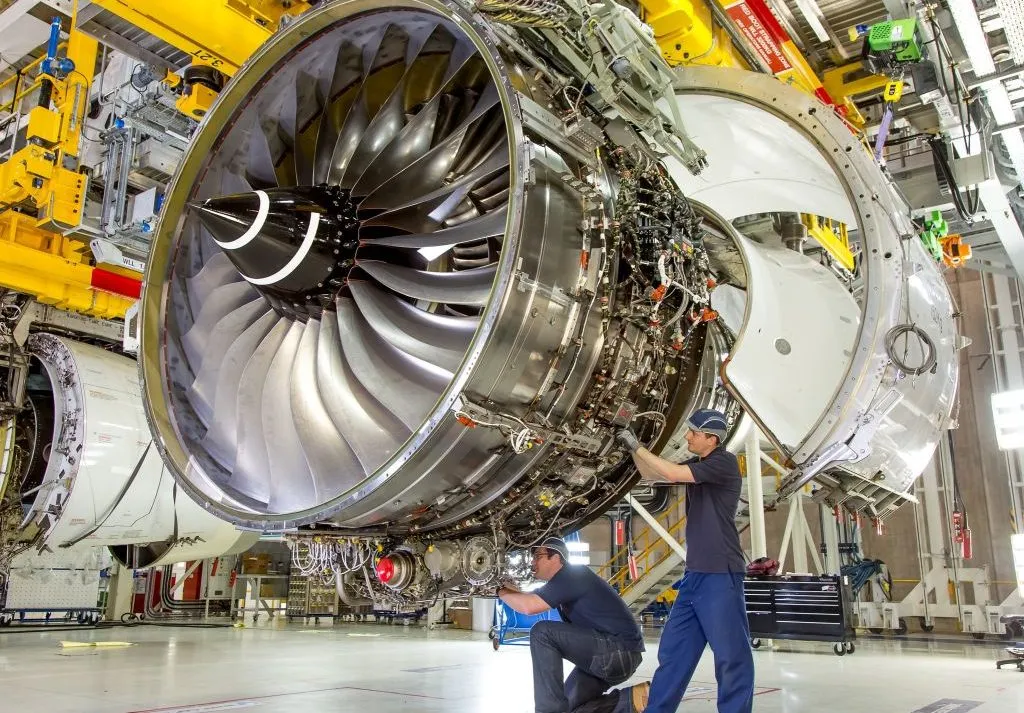
Aerospace application

Aerospace

Why PEEK Filament

High strength-to-weight ratio, thermal resistance, and reduced deformation make PEEK suitable for lightweight structural and high-temperature aerospace parts.

Typical Parts
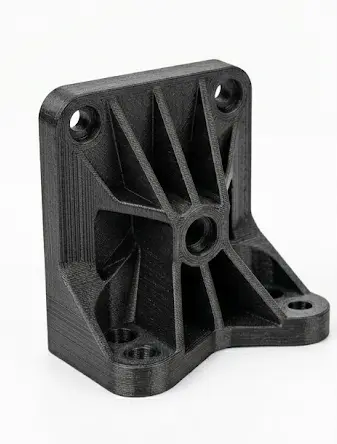
Brackets Bushings Insulators
Aerospace bracket
Aerospace bushing
Aerospace insulator
Recommended Grade: CF30 PEEK
EV and automotive application

EV / Automotive

Why PEEK Filament

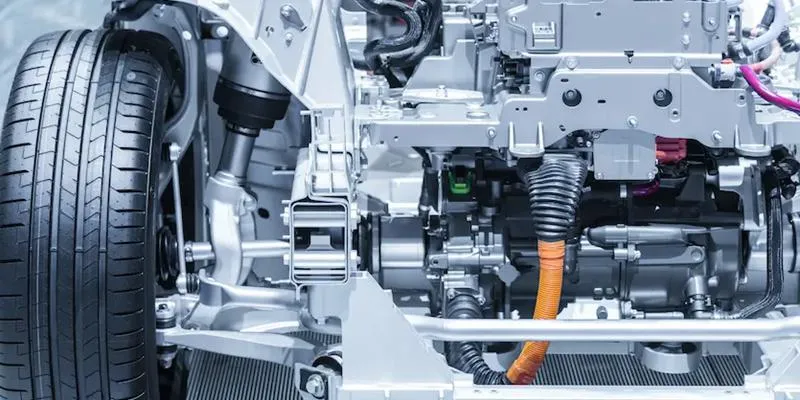
PEEK supports lightweighting, heat resistance, and long-term mechanical stability for under-hood, e-mobility, and functional prototype applications.

Typical Parts

Battery Insulators Sensor Housings Lightweight Fixtures
Battery insulator
Sensor housing
Lightweight fixture
Recommended Grade: CF30 PEEK
Medical application

Medical

Why PEEK Filament

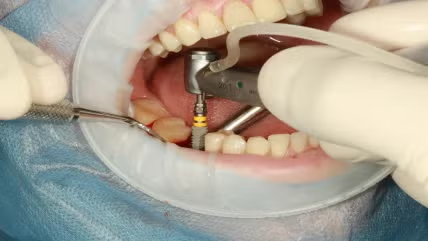
Pure PEEK offers balanced chemical resistance, heat resistance, and sterilization compatibility for precision medical parts and non-permanent-use devices.

Typical Parts

Surgical Guides Instrument Handles Dental Frameworks
Surgical guide
Instrument handle
Dental framework
Recommended Grade: Pure PEEK
Semiconductor and electronics application

Semiconductor / Electronics

Why PEEK Filament

Excellent electrical insulation, thermal stability, and dimensional consistency make PEEK suitable for electronics and semiconductor-support applications.

Typical Parts

Wafer Handling Parts Connector Housings High-Voltage Insulators
Wafer handling part
Connector housing
High-voltage insulator
Recommended Grade: GF30 PEEK
Oil and gas application

Oil & Gas

Why PEEK Filament

Strong chemical resistance, wear resistance, and high-temperature capability support demanding downhole, sealing, and connector-related applications.

Typical Parts

Valve Seats Pump Seals Connectors
Valve seat
Pump seal
Oil and gas connector
Recommended Grade: Pure PEEK
Industrial tooling and fixtures application

Industrial Tooling / Fixtures

Why PEEK Filament

High rigidity, lower warpage, and stable geometry make PEEK effective for jigs, fixtures, and precision tooling used in demanding production environments.

Typical Parts

Jigs Nests Inspection Fixtures
Jig
Nest
Inspection fixture
Recommended Grade: GF30 PEEK

FAQs

Find quick answers about PEEK filament applications, print requirements, available grades, packaging options, and technical support.

General Questions
What is PEEK filament used for?
PEEK filament is used for high-performance parts that require heat resistance, chemical stability, mechanical strength, and lightweight performance. Typical applications include aerospace components, automotive and EV parts, medical devices, electronics, oil & gas components, and industrial tooling.
What temperature is needed to print PEEK filament?
PEEK filament typically requires a nozzle temperature of around 370–420°C and a heated bed of 120°C or above. A heated chamber is also strongly recommended to improve layer bonding and reduce warpage.
Do you offer Pure PEEK and CF30 PEEK filament?
We offer Pure PEEK and CF30 PEEK filament for different application needs. GF30 PEEK availability can also be confirmed based on project requirements.
What diameters are available?
Standard diameters are 1.75 mm and 2.85 mm. Typical tolerance references are ±0.05 mm for 1.75 mm filament and ±0.10 mm for 2.85 mm filament.
Can you provide custom spool weight or packaging?
Yes. Custom spool weight, private labeling, and packaging options can be discussed based on order quantity and project requirements.
Is your PEEK filament suitable for aerospace or medical use?
PEEK is widely used in aerospace and medical-related applications because of its thermal stability, chemical resistance, and mechanical performance. However, final suitability depends on the exact part design, regulatory requirements, and validation process. For permanent implantation or regulated end-use, project-specific review is recommended.
Ordering & Support
What is the MOQ?
MOQ depends on the grade, diameter, and packaging requirement. Please contact us with your project details for the latest MOQ information.
Can I get a datasheet or sample before bulk order?
Yes. Technical datasheets and sample support can be provided before bulk purchasing, depending on the material grade and project scope.
How should PEEK filament be dried and stored?
PEEK filament should typically be dried at 120°C for 2–4 hours before printing. When not in use, it should be kept sealed and stored in a cool, dry, and dark place to minimize moisture uptake.
Which printers are recommended for PEEK filament?
PEEK filament is best processed on industrial high-temperature FDM / FFF printers with high-temp hotends, heated beds, and enclosed or heated chambers. Standard desktop FDM printers are generally not recommended.
CONTACT US

Let’s Talk About Your Next PEEK Project

Whether you need technical support, grade recommendations, or sample evaluation, our team is ready to help. Contact us directly or request a sample to start your project.

T1@peeksources.com