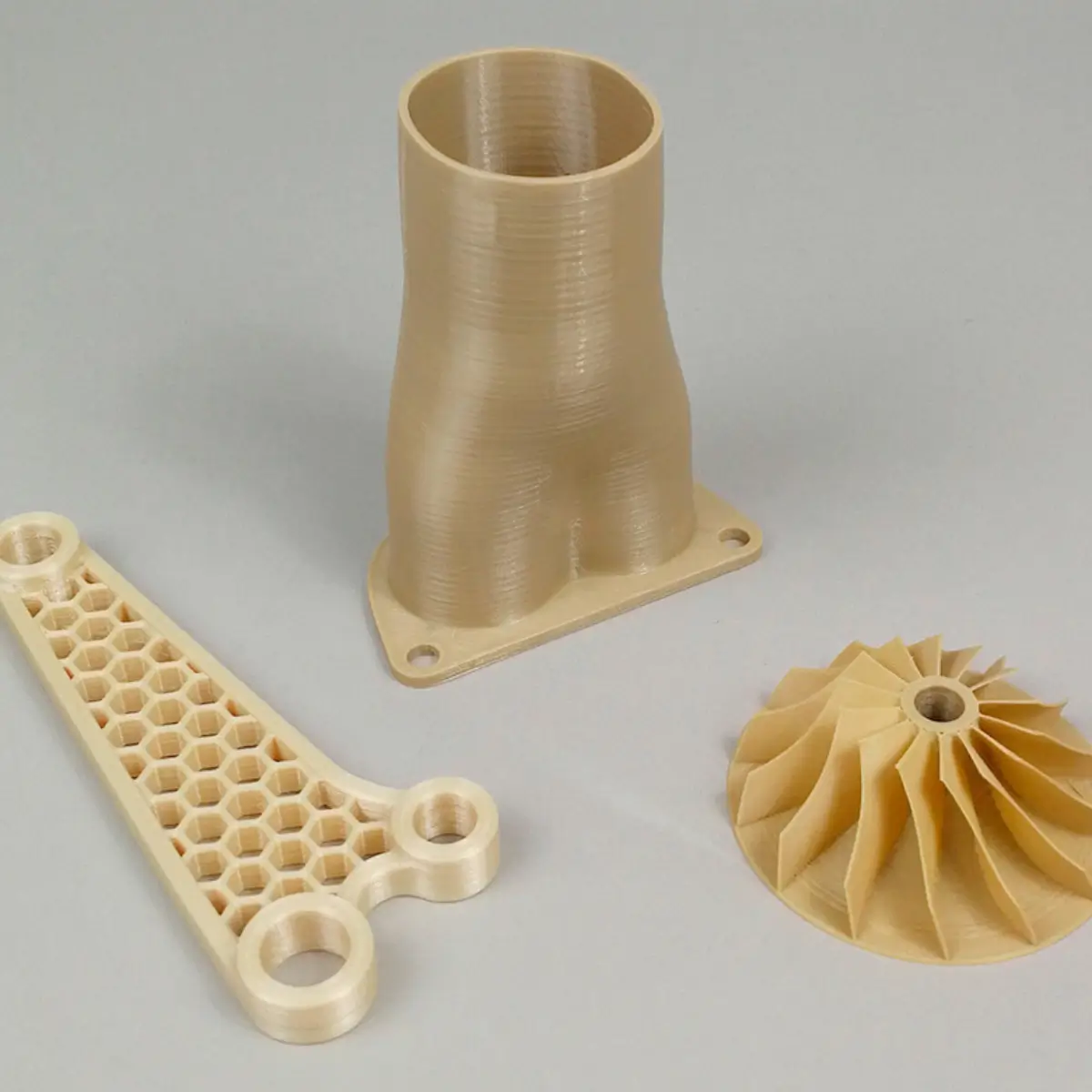
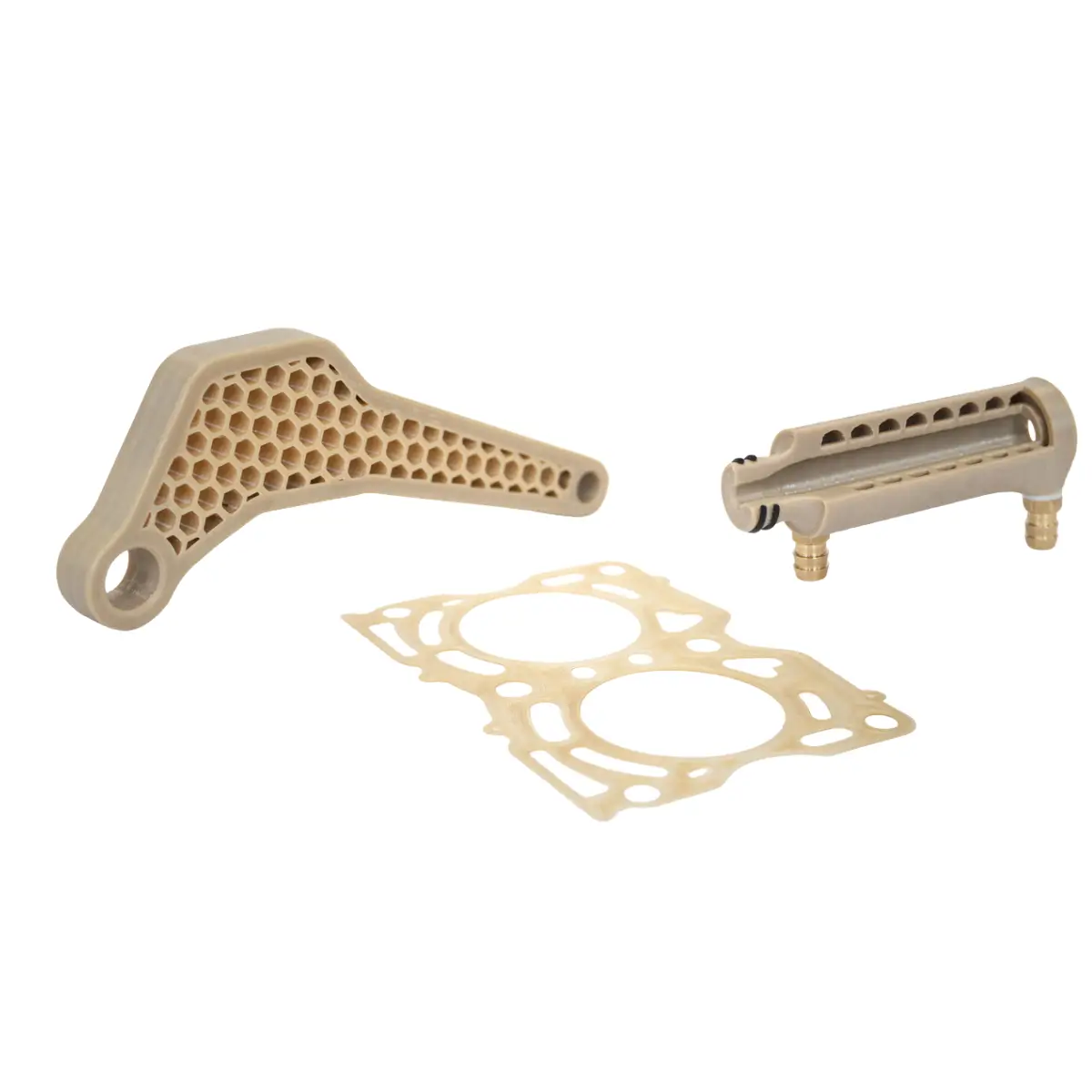
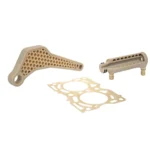
Custom PEEK 3D Printing Service for High-Temperature Industrial Parts

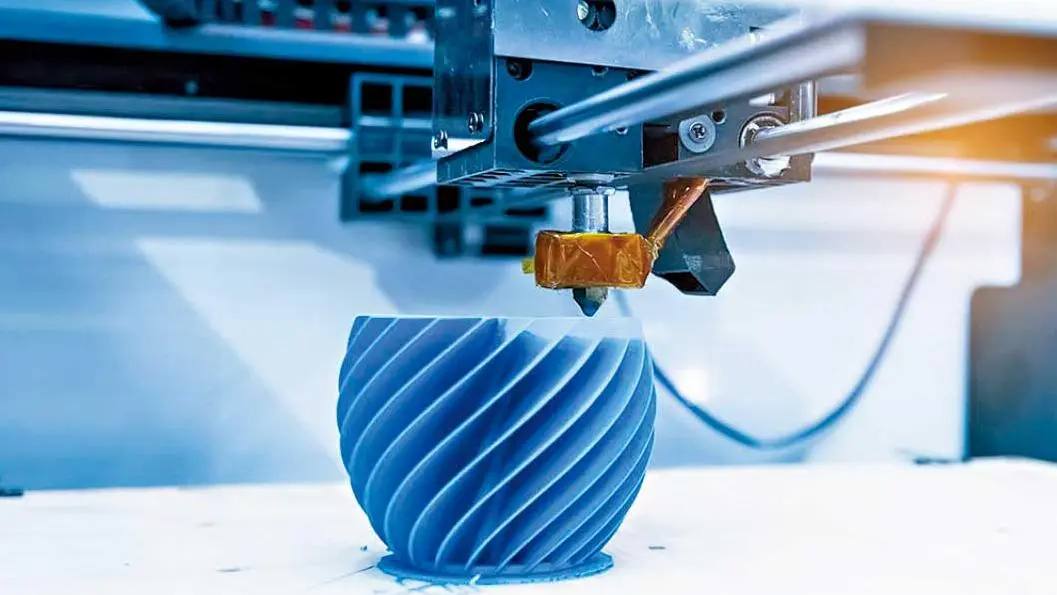
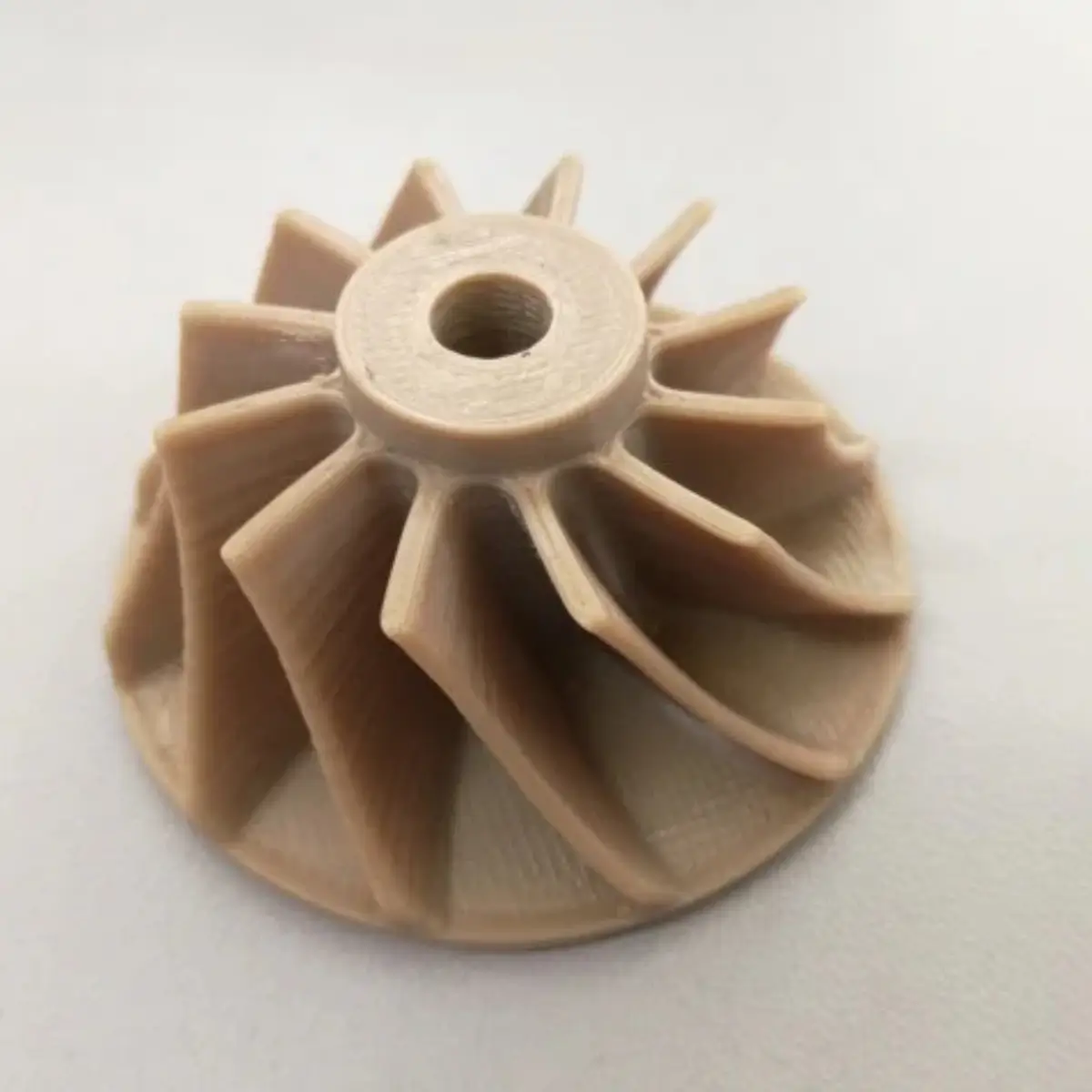
We produce custom PEEK 3D printed parts for prototypes and low-volume production, including unfilled, CF30, GF30 and bearing grades for demanding aerospace, semiconductor, medical and industrial applications.

Key Features of PEEK 3D Printing:

  • High-temperature and chemically resistant PEEK parts
  • Prototype to low-volume production support
  • Engineering review before quotation
  • Multiple PEEK grades available
  • China-based manufacturing with custom support

PEEK Grades Available for 3D Printing by Allstar Material:

  • Unfilled PEEK – Unfilled high-purity PEEK
  • CF30 PEEK – 30% Carbon Fiber Reinforced PEEK
  • GF30 PEEK – 30% Glass Fiber Reinforced PEEK
  • Bearing Grade PEEK – 10% Graphite + 10% Carbon Fiber + 10% PTFE

Contact Us

Capability Snapshot

Industrial-grade PEEK 3D printing solutions tailored to your exact specifications.

Technology

FDM / FFF (High-Temperature)

Materials

Pure PEEK, CF30, GF30, Medical Grade

Max Build Volume

Up to 450 × 450 × 500 mm

Standard Tolerance

±0.1 mm or ±0.1%

Layer Resolution

0.1 mm – 0.2 mm

Lead Time

3-5 Days (Prototyping) / 7-14 Days (Production)

Post-Processing

Thermal Annealing, CNC Machining, Polishing

Minimum Order (MOQ)

1 Piece

Supported Formats

STEP, STP, IGES, STL, PDF

Confidentiality

Strict NDA Available on Request

Quality Control

CMM Inspection, Material Certs provided

Advantages of PEEK 3D Printing

PEEK (Polyether Ether Ketone), a high-performance plastic, when processed through 3D printing, not only overcomes the limitations of traditional manufacturing but also provides companies with new design freedom and manufacturing advantages.
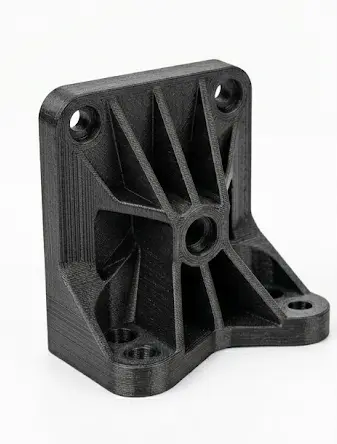
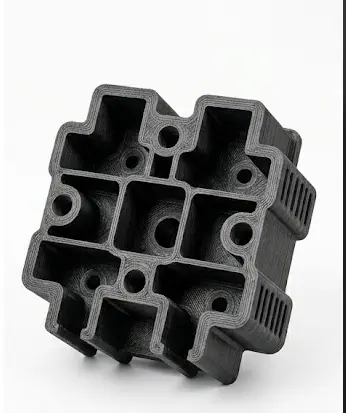
PEEK 3D Printed Part 1
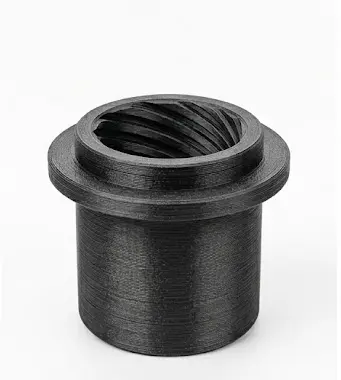
PEEK 3D Printed Part 2

Exceptional High-Temperature Performance

PEEK can operate stably at 260°C for long-term use and withstand short-term temperatures exceeding 300°C, making it ideal for engines, aerospace, and oil & gas equipment under harsh conditions.

Metal-Level Strength with Lighter Weight

Compared to metal parts, PEEK 3D printed components maintain strength and rigidity while significantly reducing weight, achieving true lightweight design.

Comprehensive Chemical Resistance

PEEK can easily withstand acids, bases, and organic solvents, demonstrating high reliability in chemical, medical, and energy applications.

Wear Resistance and Self-Lubrication

Using bearing grade PEEK (formulated with graphite, carbon fiber, and PTFE), printed parts feature low friction and long service life, making them highly suitable for high-speed motion and friction applications.

High Design Flexibility

The 3D printing process can accommodate various complex part designs, enabling rapid delivery and short modification cycles.

Dimensional Stability

PEEK 3D printed parts maintain excellent dimensional accuracy and stability even under high-temperature or harsh environments.
15+ Years in High-Performance Plastics
2,000+ Global Customers Served
100% Factory-Direct Communication
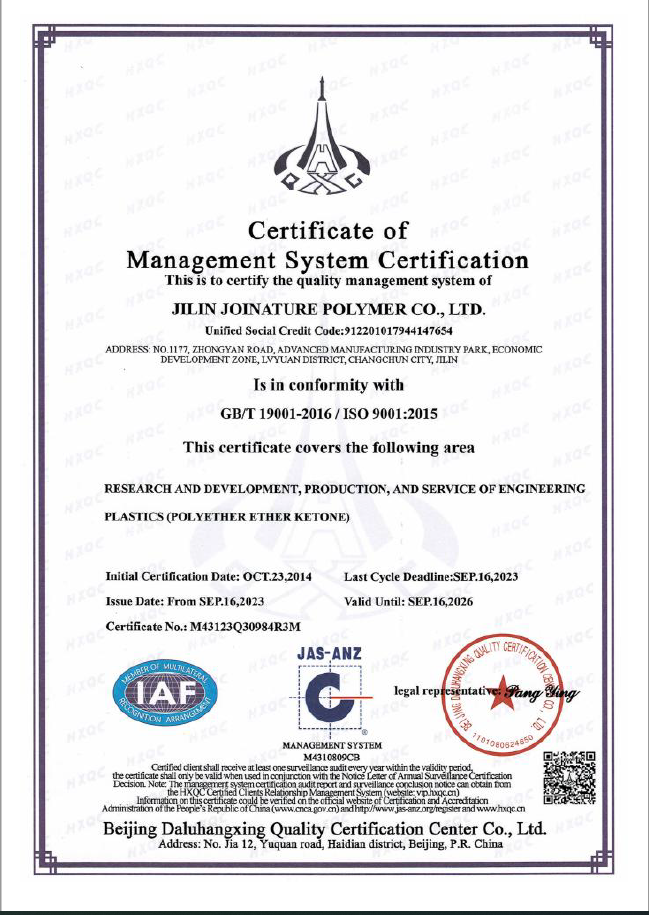
ISO Certified Quality Management

Why Partner With Us?

We combine deep material expertise with state-of-the-art manufacturing to deliver uncompromising quality and cost efficiency.

China-Based Manufacturing

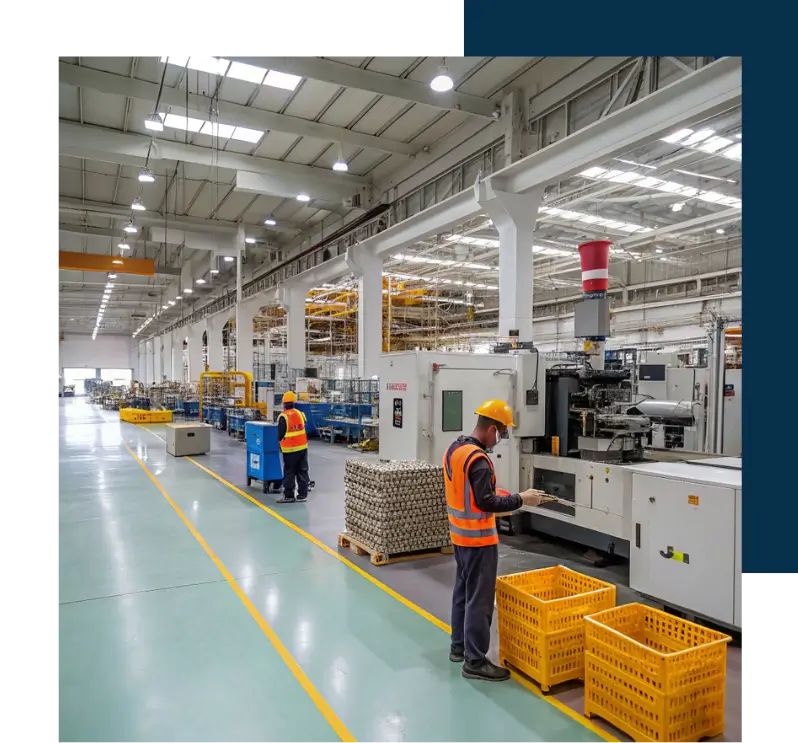
Complete PEEK/PI manufacturing and machining capability under one roof. We own the equipment, ensuring stable capacity and quality control.

Critical Industry Focus

Proven track record supplying demanding sectors including aerospace, semiconductor, medical, energy, and heavy machinery.

Engineering Evaluation

We don’t just print blindly. Our experts conduct thorough engineering evaluations before production to optimize your design for manufacturability.

Cost Efficiency & Direct Comms

Skip the middlemen. Enjoy factory-direct pricing, transparent communication, and rapid responses directly from the source.

PEEK 3D Printing Applicatigons

APPLICATIONSPEEK filament is used where heat resistance, chemical stability, dimensional control, and lightweight structural performance matter. Different grades are better suited to different industries and part types.
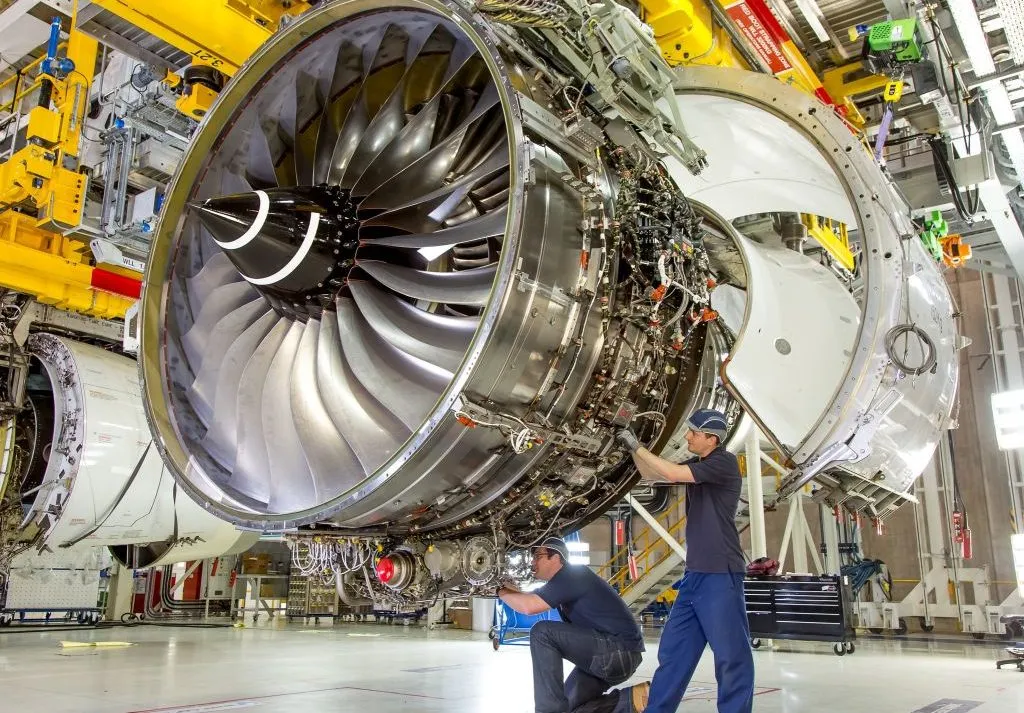
Aerospace application

Aerospace

Why PEEK Filament

High strength-to-weight ratio, thermal resistance, and reduced deformation make PEEK suitable for lightweight structural and high-temperature aerospace parts.

Typical Parts

Brackets Bushings Insulators
Aerospace bracket
Aerospace bushing
Aerospace insulator
Recommended Grade: CF30 PEEK
EV and automotive application

EV / Automotive

Why PEEK Filament

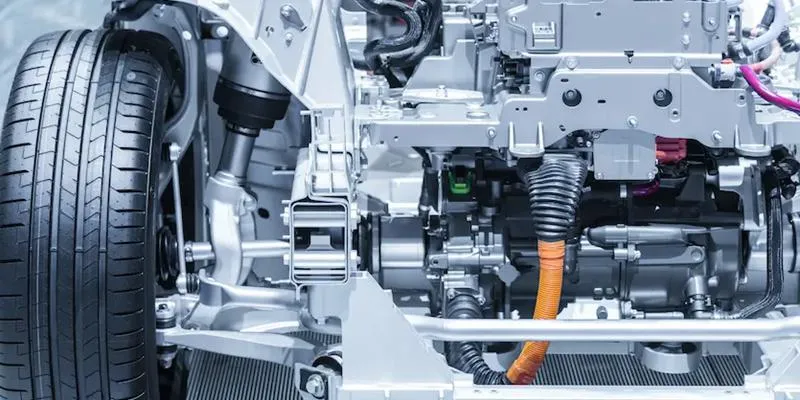
PEEK supports lightweighting, heat resistance, and long-term mechanical stability for under-hood, e-mobility, and functional prototype applications.

Typical Parts

Battery Insulators Sensor Housings Lightweight Fixtures
Battery insulator
Sensor housing
Lightweight fixture
Recommended Grade: CF30 PEEK
Medical application

Medical

Why PEEK Filament

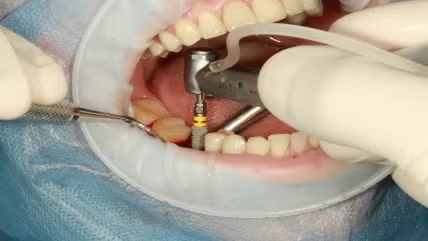
Pure PEEK offers balanced chemical resistance, heat resistance, and sterilization compatibility for precision medical parts and non-permanent-use devices.

Typical Parts

Surgical Guides Instrument Handles Dental Frameworks
Surgical guide
Instrument handle
Dental framework
Recommended Grade: Pure PEEK
Semiconductor and electronics application

Semiconductor / Electronics

Why PEEK Filament

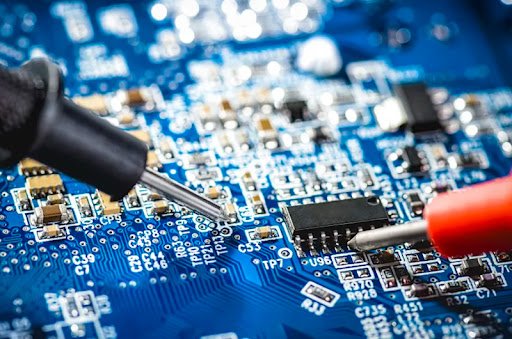
Excellent electrical insulation, thermal stability, and dimensional consistency make PEEK suitable for electronics and semiconductor-support applications.

Typical Parts

Wafer Handling Parts Connector Housings High-Voltage Insulators
Wafer handling part
Connector housing
High-voltage insulator
Recommended Grade: GF30 PEEK
Oil and gas application

Oil & Gas

Why PEEK Filament

Strong chemical resistance, wear resistance, and high-temperature capability support demanding downhole, sealing, and connector-related applications.

Typical Parts

Valve Seats Pump Seals Connectors
Valve seat
Pump seal
Oil and gas connector
Recommended Grade: Pure PEEK
Industrial tooling and fixtures application

Industrial Tooling / Fixtures

Why PEEK Filament

High rigidity, lower warpage, and stable geometry make PEEK effective for jigs, fixtures, and precision tooling used in demanding production environments.

Typical Parts

Jigs Nests Inspection Fixtures
Jig
Nest
Inspection fixture
Recommended Grade: GF30 PEEK

Make the Right Choice for Your Project


Quick comparisons to help you select the optimal manufacturing process and material. Click for detailed engineering guides.


PEEK 3D Printing vs CNC Machining

When to choose: 3D printing is ideal for complex geometries and rapid prototypes (lower cost, faster lead time). CNC wins on tight tolerances for simple blocky shapes.

View Details


PEEK vs PEI (ULTEM)

When to choose: PEEK offers ultimate chemical and high-temp resistance (260°C+). PEI/ULTEM is a cost-effective alternative for slightly less demanding environments.

View Details


Unfilled PEEK vs CF30 vs GF30

When to choose: Pure PEEK for medical/chemical purity. Add Carbon Fiber (CF30) for maximum stiffness and wear resistance, or Glass Fiber (GF30) for thermal insulation.

View Details


PEEK 3D Printing vs Metal

When to choose: Replace heavy metal components (like aluminum or steel) with PEEK to achieve up to 70% weight reduction while maintaining exceptional mechanical strength.

View Details

How It Works: Our 5-Step Process

A streamlined, transparent workflow designed to deliver high-quality PEEK parts with zero hassle.

1

Send CAD file

Upload your STEP, STL, or IGES files.

2

Engineering review

DFM check to ensure printability.

3

Material / Process confirmation

Finalizing specs based on your application.

4

Quotation & Lead time

Transparent pricing and accurate schedule.

5

Printing, Inspection & Shipment

Production, CMM check, and global delivery.

Have a project in mind or other questions?

Our engineering team is ready to assist you. Skip the hassle and talk directly to the manufacturer.

Contact Us Now

Technical Parameter Comparison of PEEK 3D Printing Filaments

Parameter Unfilled PEEK CF30 PEEK (Carbon Fiber Reinforced) GF30 PEEK (Glass Fiber Reinforced) Bearing Grade PEEK (Graphite + Carbon Fiber + PTFE)
Melting Point ~343°C ~343°C ~343°C ~343°C
Glass Transition Temperature (Tg) ~143°C ~143°C ~143°C ~143°C
Tensile Strength 90–100 MPa 120–140 MPa (carbon fiber reinforcement, increased strength) 110–120 MPa (glass fiber reinforcement, enhanced rigidity) 80–90 MPa (contains solid lubricants, slightly lower strength)
Tensile Modulus 3.6 GPa 18–20 GPa (significantly increased stiffness) 10–12 GPa (high rigidity, slightly lower than CF30) 3–4 GPa (retains some toughness)
Printing Temperature Range 360–400°C 370–410°C (higher temperature needed for proper melt flow) 370–410°C 360–390°C
Heated Bed Temperature 120–160°C 120–160°C 120–160°C 120–160°C
Print Chamber ≥120°C enclosed heated chamber ≥120°C enclosed heated chamber ≥120°C enclosed heated chamber ≥120°C enclosed heated chamber
Note: The above parameters represent our company’s actual data and are provided for reference only.
exercise

Pure PEEK

Balanced overall performance, suitable for multiple industries; drawback is higher printing difficulty.

muscles

CF30 PEEK (Carbon Fiber Reinforced)

Highest strength and stiffness, low thermal deformation, ideal for aerospace and automotive applications; requires wear-resistant nozzles for printing.

GF30 PEEK (Glass Fiber Reinforced)

Excellent dimensional stability and high rigidity, good creep resistance, suitable for structural components.

gear

Bearing Grade PEEK

Contains graphite + carbon fiber + PTFE, offering self-lubrication and superior wear resistance, ideal for high-friction applications, though strength is slightly lower.

Frequently Asked Questions

Straightforward answers to the most common questions from buyers and engineers.

What file formats do you accept for quotation?

We prefer standard 3D CAD formats, including STEP (.stp, .step), IGES (.igs, .iges), and STL. If your part has specific tolerance requirements or threaded features, please also include a 2D PDF drawing.

What is the typical lead time for PEEK 3D printed parts?

Standard lead times are typically 3 to 5 business days for prototyping, and 7 to 14 days for low-volume production runs, depending on geometry complexity and post-processing requirements.

Can you print CF30 PEEK and GF30 PEEK?

Yes, we offer a comprehensive range of high-performance polymers. Alongside pure unfilled PEEK, we routinely print 30% Carbon Fiber reinforced PEEK (CF30) for maximum stiffness and 30% Glass Fiber reinforced PEEK (GF30) for enhanced thermal insulation.

Do you support prototype and low-volume production?

Absolutely. Our Minimum Order Quantity (MOQ) is 1 piece. We can seamlessly scale your project from a single functional prototype to low or mid-volume production (hundreds or thousands of units) without the need for expensive injection molds.

Do you offer annealing or CNC post-machining?

Yes. Thermal annealing is standard for all our PEEK printed parts to relieve internal stresses and maximize crystallization. For critical dimensions that exceed 3D printing capabilities, we offer precision CNC post-machining.

Can you sign an NDA before reviewing drawings?

Yes, we take intellectual property protection very seriously. We are fully prepared to sign a Non-Disclosure Agreement (NDA) before you share any files or proprietary project details.

What tolerances can you achieve?

Our standard 3D printing tolerance for PEEK is ±0.1 mm or ±0.1% (whichever is greater). If tighter tolerances are required (e.g., ±0.02 mm for bearing fits), we achieve this through secondary CNC machining.

When should I choose CNC machined PEEK instead of 3D printing?

You should choose CNC machining when your part features simple, blocky geometries, requires extremely tight tolerances across all dimensions, or needs an exceptionally smooth surface finish. 3D printing is better for complex geometries, internal channels, and rapid turnaround. We offer both services and will advise you on the best method for your specific design.

Let’s Build Something Great Together

Partner with a leading China-based PEEK 3D printing manufacturer. We combine deep material expertise with factory-direct efficiency to bring your most demanding designs to life.

  • Factory-Direct Efficiency Zero middlemen. Direct engineering communication and highly competitive pricing.
  • Uncompromising Quality 15+ years of experience in high-performance plastics with strict CMM inspection.
  • Ultimate Flexibility From 1-piece prototypes to low-volume production. Rapid 3-5 days turnaround.
  • Strict Confidentiality Your intellectual property is safe. NDA available before file sharing.