


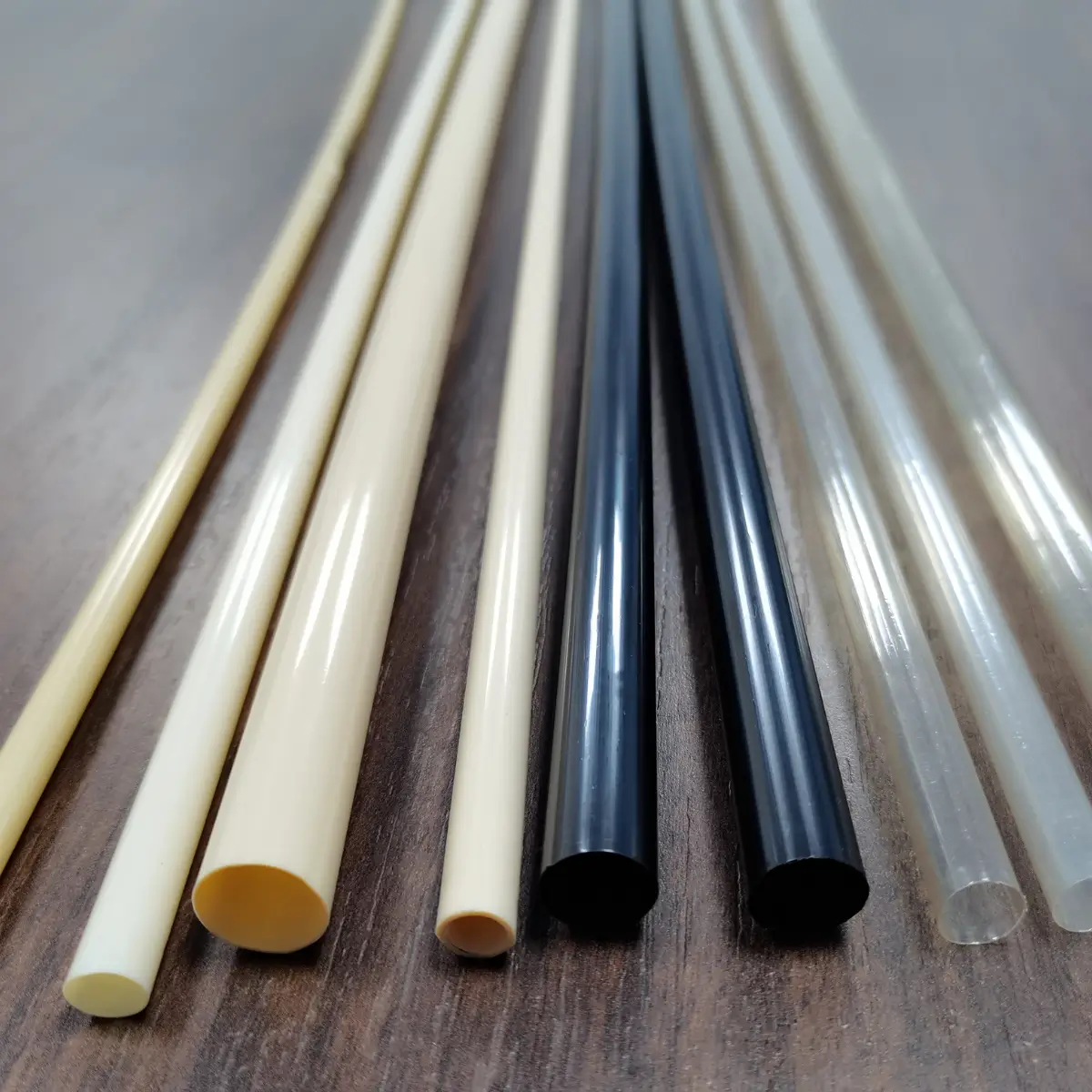
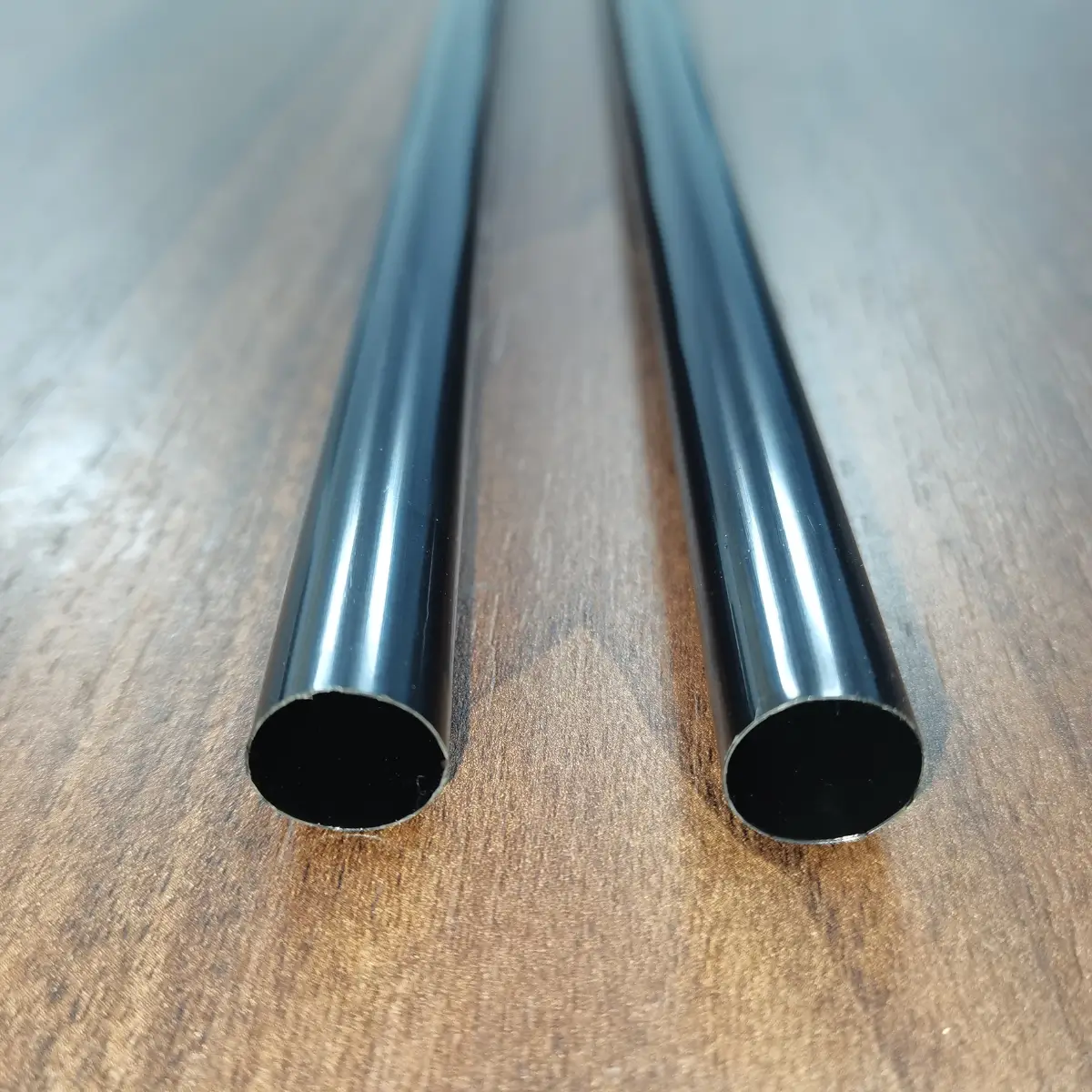

Advantages and Disadvantages of PEEK Capillary Tubing
High Temperature Resistance
PEEK capillary tubing can be used continuously at around 260°C, and withstands short-term exposure to temperatures as high as 300°C.
Ideal for high-temperature analysis or equipment environments.
Chemical Inertness
PEEK has excellent corrosion resistance against strong acids, strong bases, organic solvents, and oxidizing agents.
It remains stable in chromatographic analysis and chemical transport, and is not easily dissolved or damaged by solvents.
Stable Mechanical Properties
High strength and toughness, with good pressure resistance, even in small-diameter capillary tubes.
It also maintains good dimensional stability, with high length and inner diameter accuracy.
High Precision Manufacturing
Can be produced with very small inner diameters (micron-level), and uniform wall thickness.
The smooth inner surface minimizes fluid resistance.
High Processing and Welding Requirements
The precision capillary tube end-port handling and connections require specialized equipment, otherwise, leaks or damage may occur.
Limited Resistance to Strong Oxidizing Agents
While PEEK is resistant to most chemicals, it may be damaged by strong oxidizing agents like concentrated nitric acid or concentrated sulfuric acid.
High Price
PEEK material is more expensive than PTFE (Polytetrafluoroethylene) or nylon tubing.
Limited Flexibility
Compared to silicone or PTFE tubing, PEEK tubing is more likely to crack under excessive bending or very small diameters.
Excellent Electrical Insulation
Ideal for applications requiring electrical insulation, such as electronics and sensors.
Low Adsorption
Smooth inner walls reduce the risk of sample or solution adsorption, ensuring accurate analysis results.
PEEK Capillary Tubing stock sizes
| 内径 (ID) mm | 外径 (OD) mm / inch | 壁厚 (近似) mm | 备注 (是否常用 / 应用) |
|---|---|---|---|
| 0.10 ~0.13 | 0.25 (≈1/32″) | 0.075 | 可生产;常用于极细流体分析 / Ultra-micro / 微流控系统 |
| 0.175 | 0.30 (≈1/32″) | 0.06 | 常用规格之一 (色谱连接处) (Analytical Sales and Services, Inc.) |
| 0.25 | 0.51 (≈1/32–1/16″) | 0.13 | 常用 (VICI Precision Sampling) |
| 0.5 | 1.02 (≈1/16″) | 0.26 | 非常常用, 用于HPLC系统内部连接 (VICI Precision Sampling) |
| 0.75 | 1.62 (≈1/16″ OD) | 0.44 | 常用于较大流量或软管管路 (Cytiva) |
| 1 | 1.62 (≈1/16″) | 0.31 | 较常见 (Analytical Sales and Services, Inc.) |
| 1.55–2.0 | 1.8–2.0 mm | 0.2–0.25 | 可生产, 用于特殊仪器或工业流体系统 (IDEX Health & Science) |
| 2.0–3.0 | 3.0–3.2 mm | 0.5–0.6 | 较大尺寸, 用于制备 / 工业用途 (Biotech Fluidics) |
| 3.0–4.0 | 3.5–4.0 mm | 0.5–0.75 | 较少见, 但可生产 |
| 4.0–5.0 | 4.5–5.0 mm | 类似比例 | 用于传输较高流量 / 工业液体传输 |
| 5.0–7.9 | 6.0–8.2 mm | 较厚壁(1–1.5 mm或更大视具体) | 较少生产 / 订制;成本与加工难度较高 |
| Inner Diameter (ID) mm | Outer Diameter (OD) mm / inch | Wall Thickness (Approx.) mm | Remarks (Common Usage / Application) |
|---|---|---|---|
| 0.10 ~0.13 | 0.25 (≈1/32″) | 0.075 | Can be produced; commonly used in ultra-micro fluid analysis / microfluidic systems |
| 0.175 | 0.30 (≈1/32″) | 0.06 | One of the common specifications (Chromatographic connections) |
| 0.25 | 0.51 (≈1/32–1/16″) | 0.13 | Commonly used (VICI Precision Sampling) |
| 0.5 | 1.02 (≈1/16″) | 0.26 | Very common, used in internal connections for HPLC systems (VICI Precision Sampling) |
| 0.75 | 1.62 (≈1/16″ OD) | 0.44 | Common for higher flow rates or wider tubing (Cytiva) |
| 1 | 1.62 (≈1/16″) | 0.31 | Relatively common (Analytical Sales and Services, Inc.) |
| 1.55–2.0 | 1.8–2.0 mm | 0.2–0.25 | Can be produced, used for special instruments or industrial fluid systems (IDEX Health & Science) |
| 2.0–3.0 | 3.0–3.2 mm | 0.5–0.6 | Larger sizes, used for semi-preparative / industrial applications (Biotech Fluidics) |
| 3.0–4.0 | 3.5–4.0 mm | 0.5–0.75 | Less common, but can be produced |
| 4.0–5.0 | 4.5–5.0 mm | Similar proportions | Used for higher flow rate / industrial fluid transport |
| 5.0–7.9 | 6.0–8.2 mm | Thicker walls (1–1.5 mm or larger depending on specifics) | Less commonly produced / custom-made; higher cost and processing difficulty |