
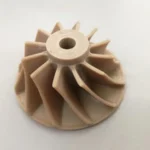
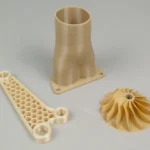
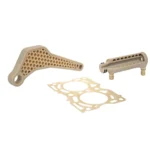
Advantages of PEEK 3D Printing
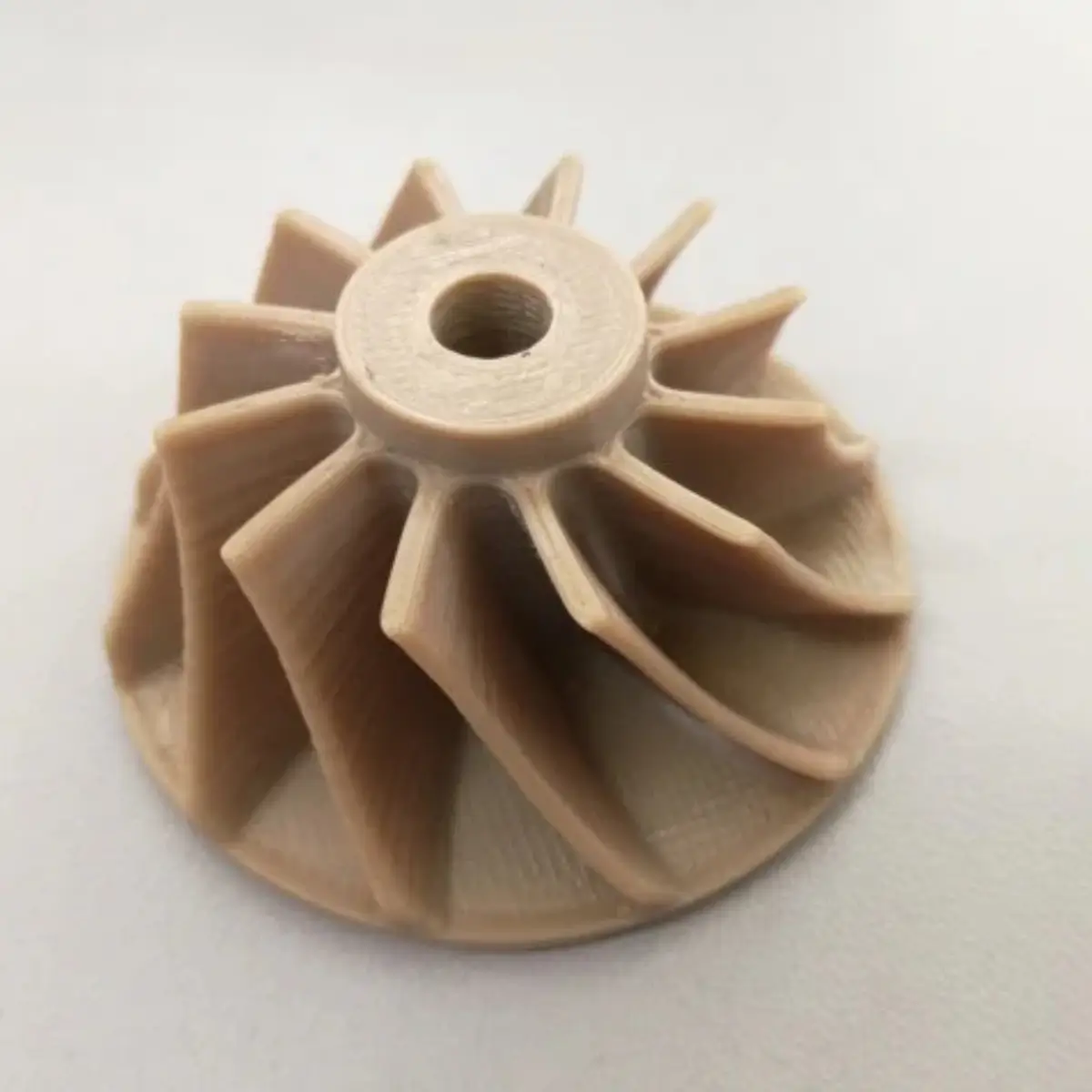
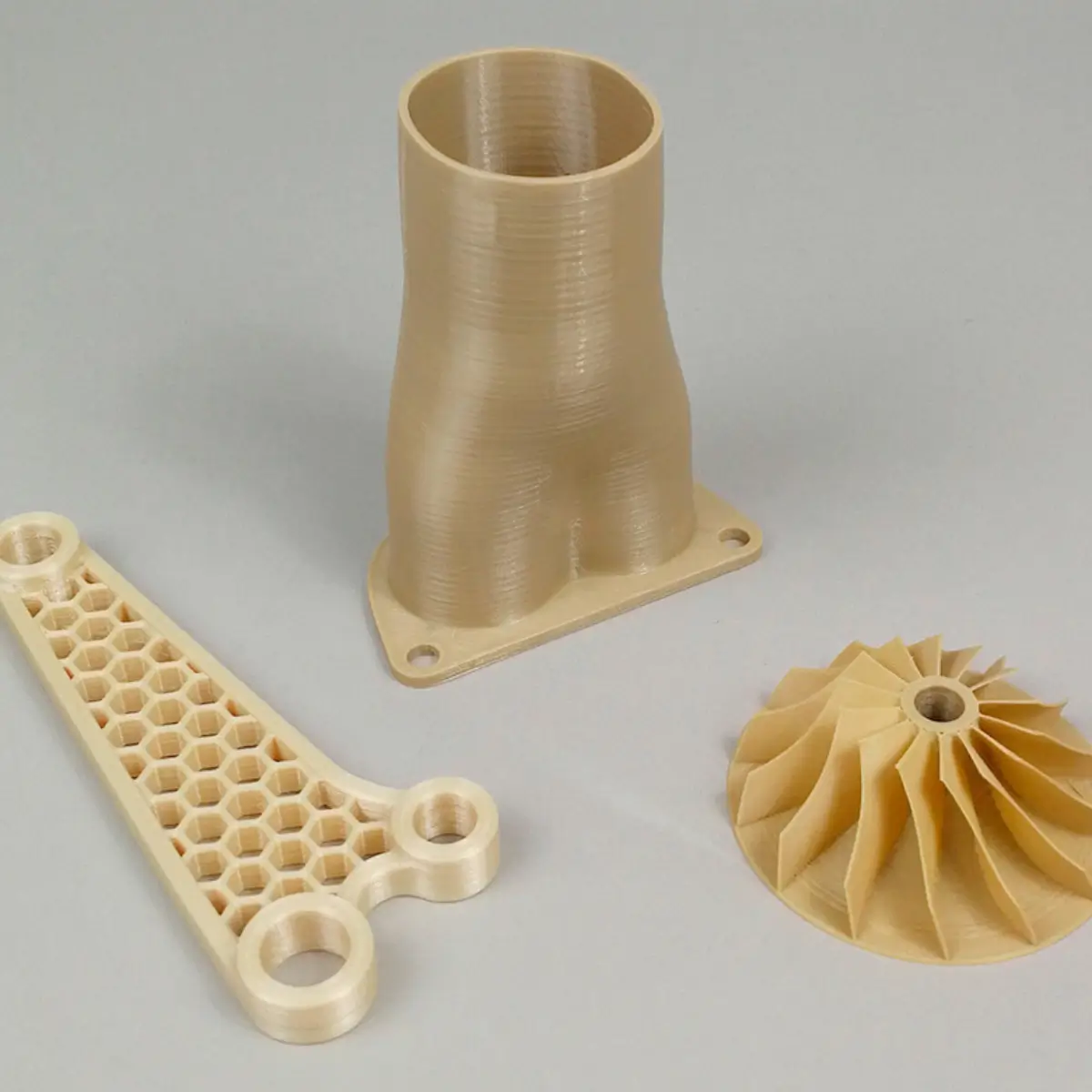
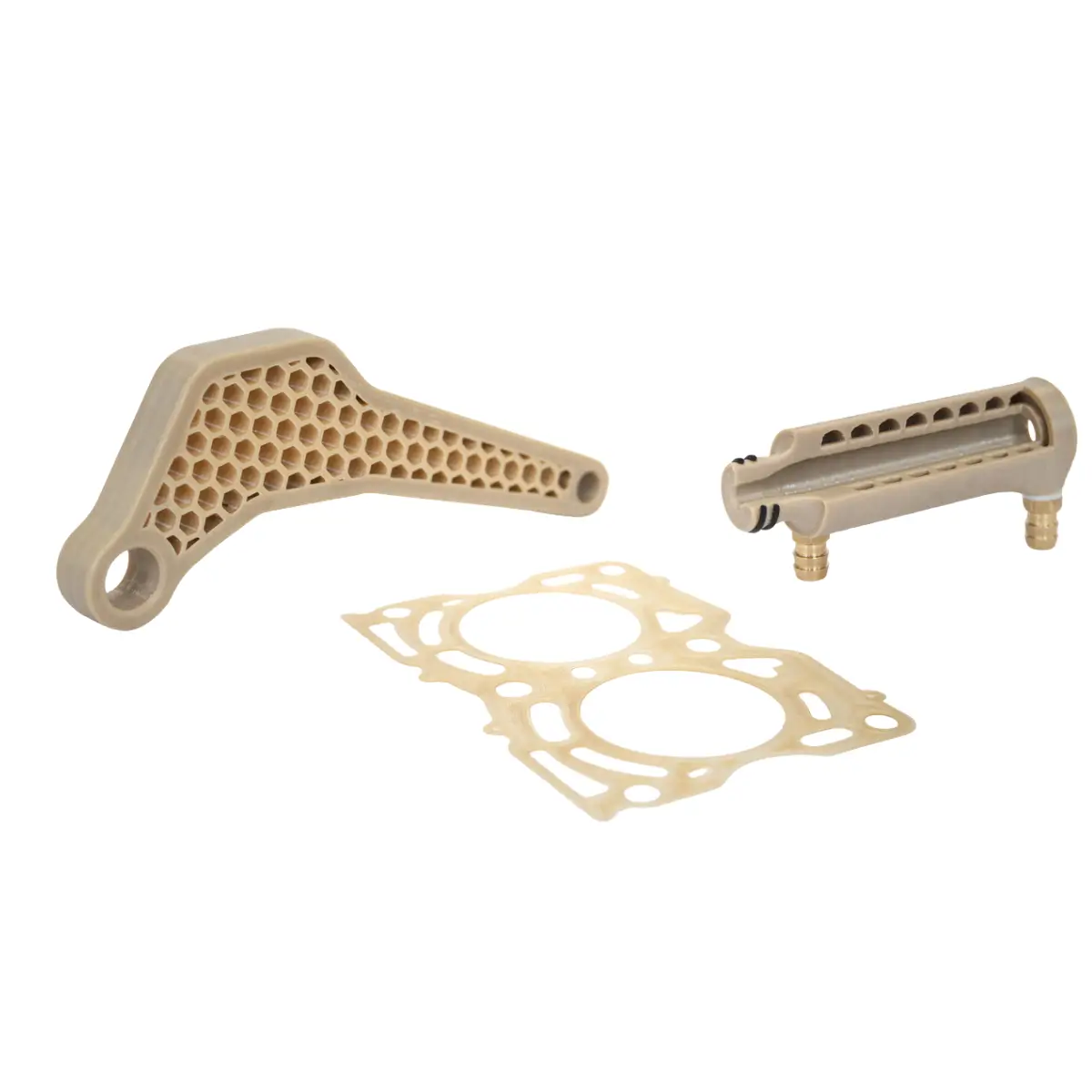
PEEK (Polyether Ether Ketone), a high-performance plastic, when processed through 3D printing, not only overcomes the limitations of traditional manufacturing but also provides companies with new design freedom and manufacturing advantages.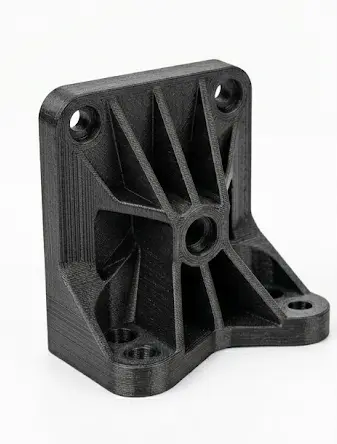
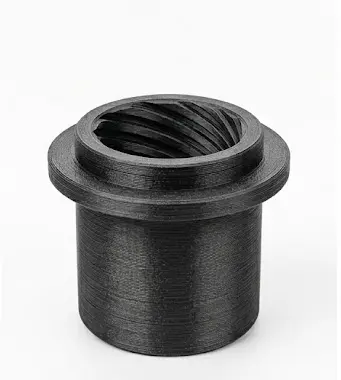
Exceptional High-Temperature Performance
PEEK can operate stably at 260°C for long-term use and withstand short-term temperatures exceeding 300°C, making it ideal for engines, aerospace, and oil & gas equipment under harsh conditions.Metal-Level Strength with Lighter Weight
Compared to metal parts, PEEK 3D printed components maintain strength and rigidity while significantly reducing weight, achieving true lightweight design.Comprehensive Chemical Resistance
PEEK can easily withstand acids, bases, and organic solvents, demonstrating high reliability in chemical, medical, and energy applications.Wear Resistance and Self-Lubrication
Using bearing grade PEEK (formulated with graphite, carbon fiber, and PTFE), printed parts feature low friction and long service life, making them highly suitable for high-speed motion and friction applications.High Design Flexibility
The 3D printing process can accommodate various complex part designs, enabling rapid delivery and short modification cycles.Dimensional Stability
PEEK 3D printed parts maintain excellent dimensional accuracy and stability even under high-temperature or harsh environments.Why Partner With Us?
We combine deep material expertise with state-of-the-art manufacturing to deliver uncompromising quality and cost efficiency.China-Based Manufacturing
Complete PEEK/PI manufacturing and machining capability under one roof. We own the equipment, ensuring stable capacity and quality control.Critical Industry Focus
Proven track record supplying demanding sectors including aerospace, semiconductor, medical, energy, and heavy machinery.Engineering Evaluation
We don’t just print blindly. Our experts conduct thorough engineering evaluations before production to optimize your design for manufacturability.Cost Efficiency & Direct Comms
Skip the middlemen. Enjoy factory-direct pricing, transparent communication, and rapid responses directly from the source.Our Facilities & Certifications
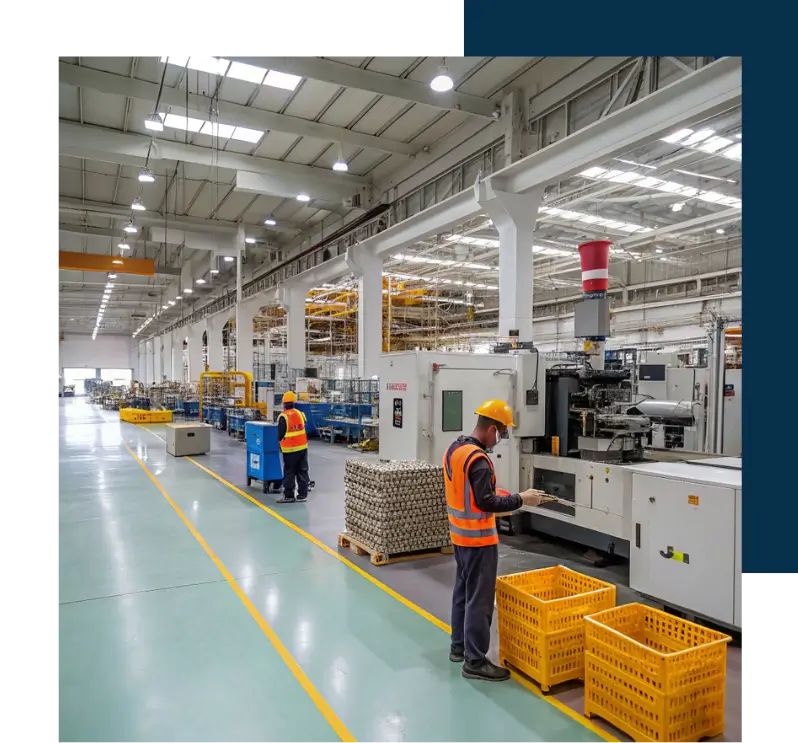
State-of-the-Art Workshop
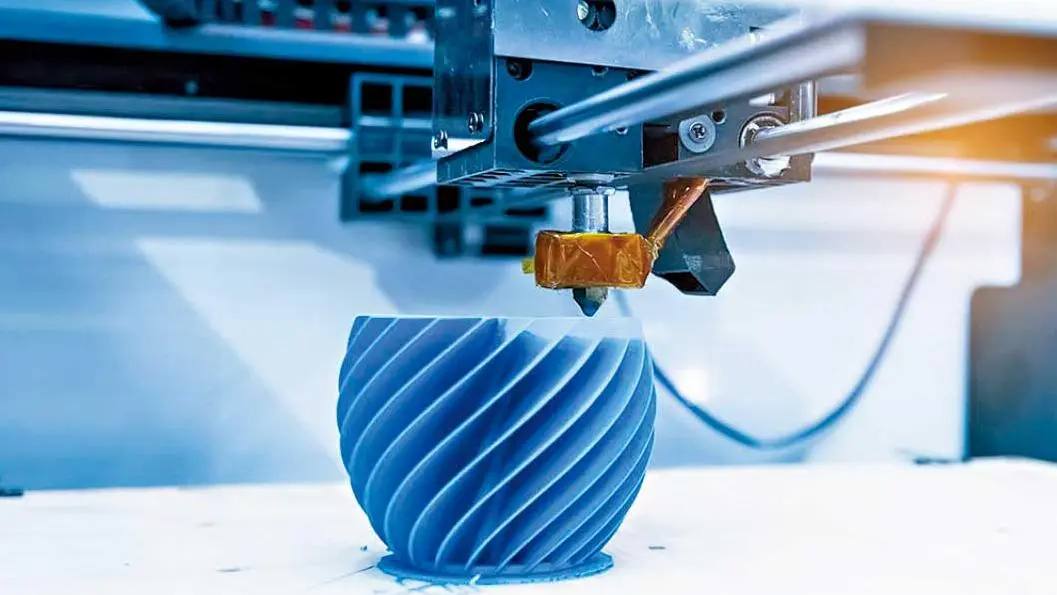
CMM & Inspection Lab
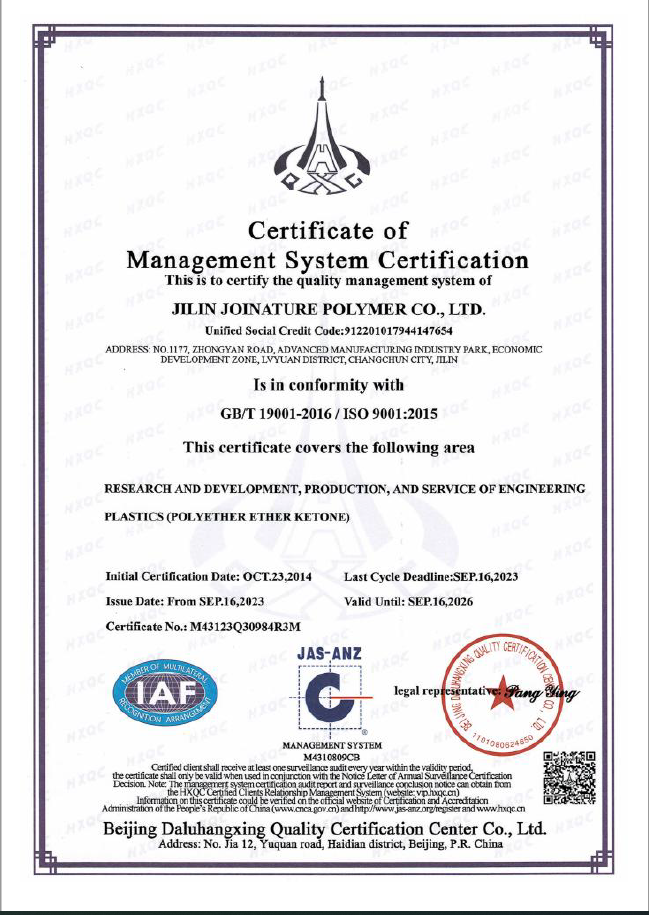
ISO 9001 & Material Certs
APPLICATIONSPEEK filament is used where heat resistance, chemical stability, dimensional control,
and lightweight structural performance matter. Different grades are better suited to
different industries and part types.
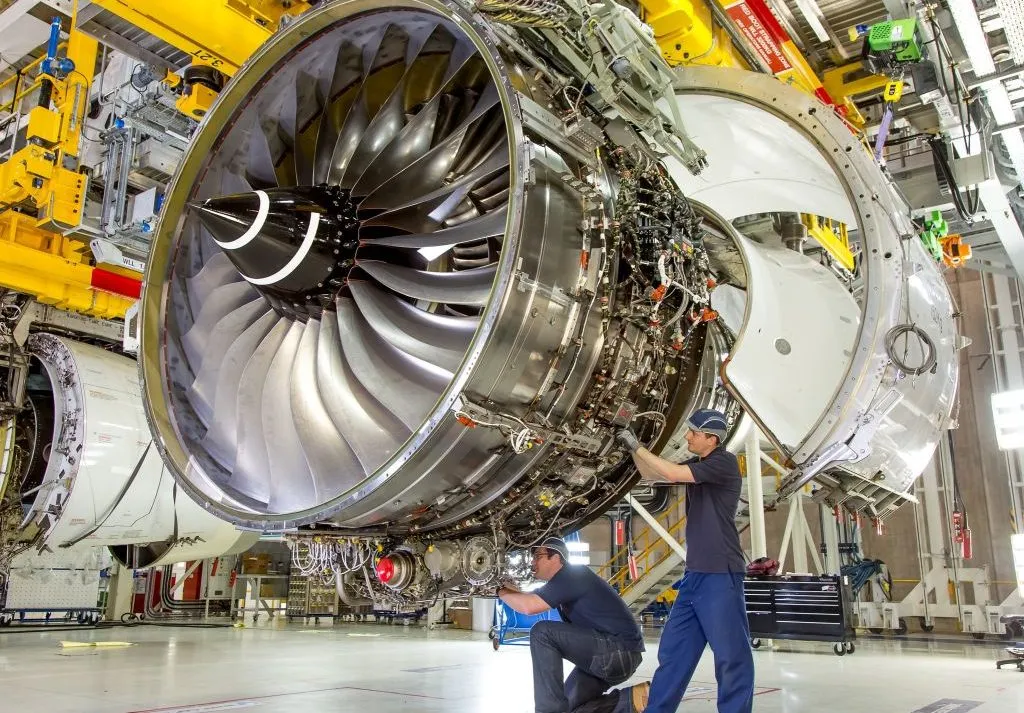
Aerospace
Why PEEK Filament
High strength-to-weight ratio, thermal resistance, and reduced deformation make PEEK suitable for lightweight structural and high-temperature aerospace parts.Typical Parts
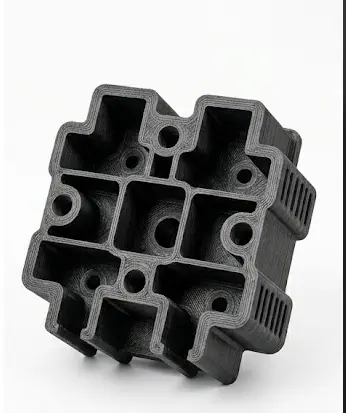
Recommended Grade: CF30 PEEK
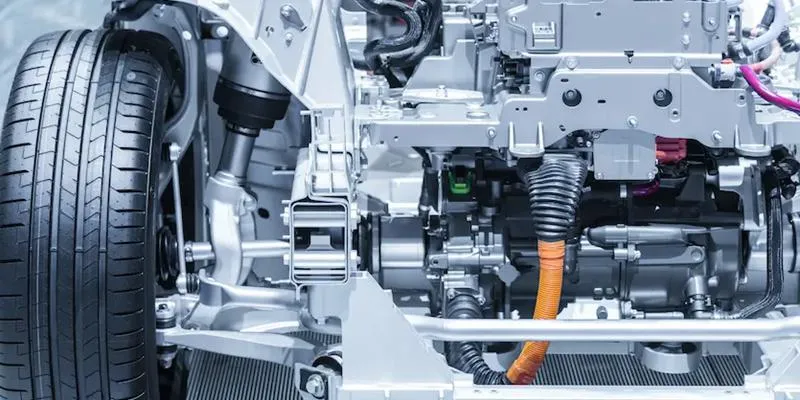
EV / Automotive
Why PEEK Filament
PEEK supports lightweighting, heat resistance, and long-term mechanical stability for under-hood, e-mobility, and functional prototype applications.Typical Parts


Recommended Grade: CF30 PEEK

Medical
Why PEEK Filament
Pure PEEK offers balanced chemical resistance, heat resistance, and sterilization compatibility for precision medical parts and non-permanent-use devices.Typical Parts


Recommended Grade: Pure PEEK
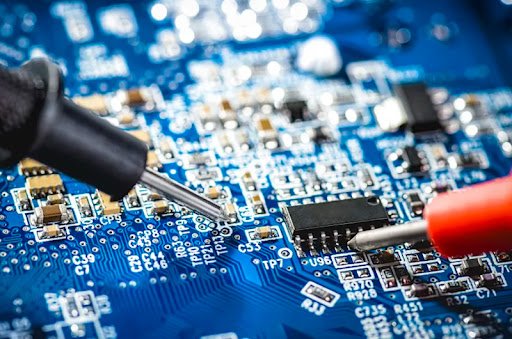
Semiconductor / Electronics
Why PEEK Filament
Excellent electrical insulation, thermal stability, and dimensional consistency make PEEK suitable for electronics and semiconductor-support applications.Typical Parts


Recommended Grade: GF30 PEEK

Oil & Gas
Why PEEK Filament
Strong chemical resistance, wear resistance, and high-temperature capability support demanding downhole, sealing, and connector-related applications.Typical Parts


Recommended Grade: Pure PEEK

Industrial Tooling / Fixtures
Why PEEK Filament
High rigidity, lower warpage, and stable geometry make PEEK effective for jigs, fixtures, and precision tooling used in demanding production environments.Typical Parts


Recommended Grade: GF30 PEEK

Pure PEEK
Balanced overall performance, suitable for multiple industries; drawback is higher printing difficulty.

CF30 PEEK (Carbon Fiber Reinforced)
Highest strength and stiffness, low thermal deformation, ideal for aerospace and automotive applications; requires wear-resistant nozzles for printing.

GF30 PEEK (Glass Fiber Reinforced)
Excellent dimensional stability and high rigidity, good creep resistance, suitable for structural components.

Bearing Grade PEEK
Contains graphite + carbon fiber + PTFE, offering self-lubrication and superior wear resistance, ideal for high-friction applications, though strength is slightly lower.